
Varicose Veins
Understanding Varicose Veins
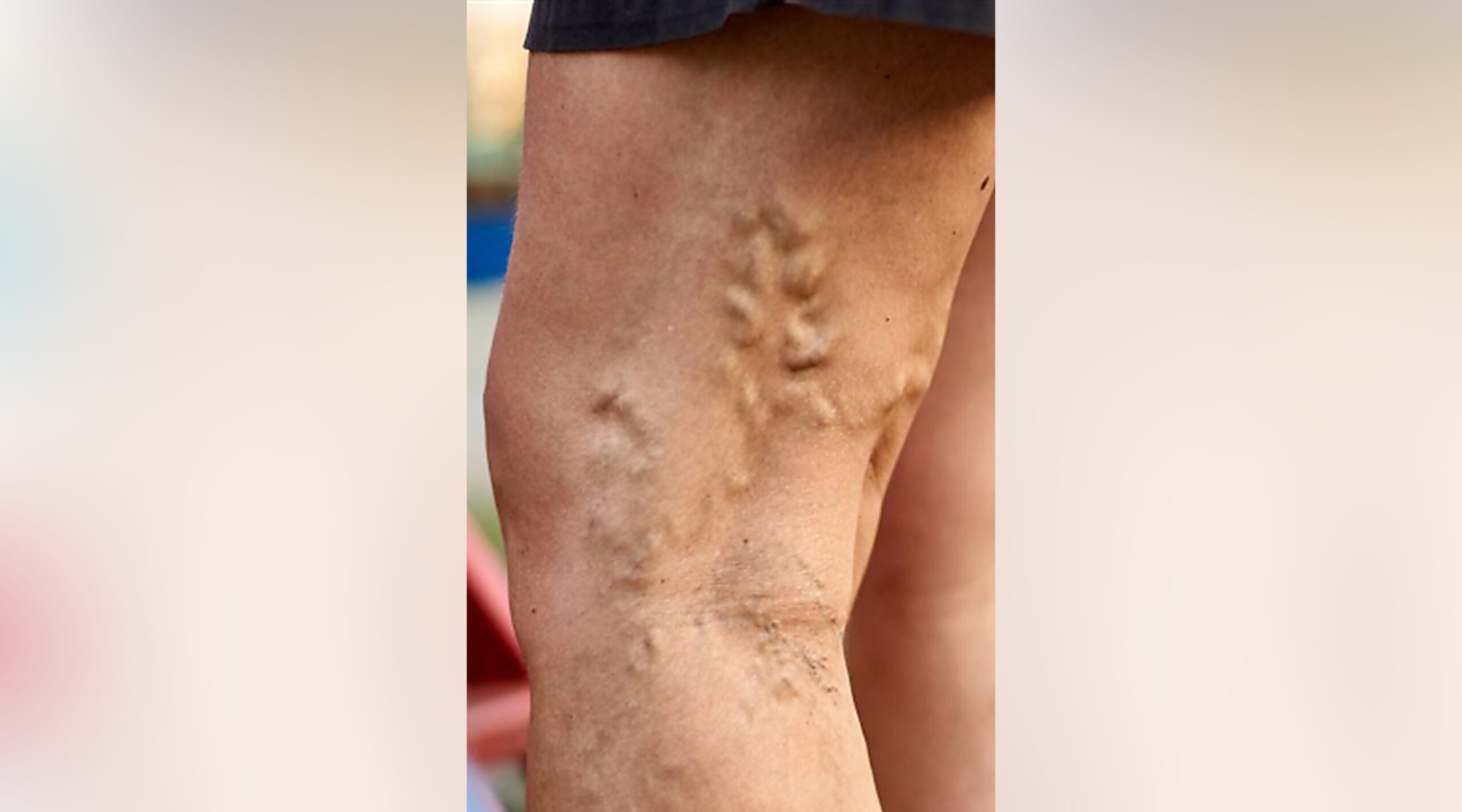
Varicose veins are enlarged, twisted veins that most commonly develop in the legs due to weakened or damaged vein valves. When these valves do not function properly, blood can pool inside the veins, causing them to become swollen and visible beneath the skin. Varicose veins are a common condition and can affect both comfort and appearance.
Common Symptoms and Concerns
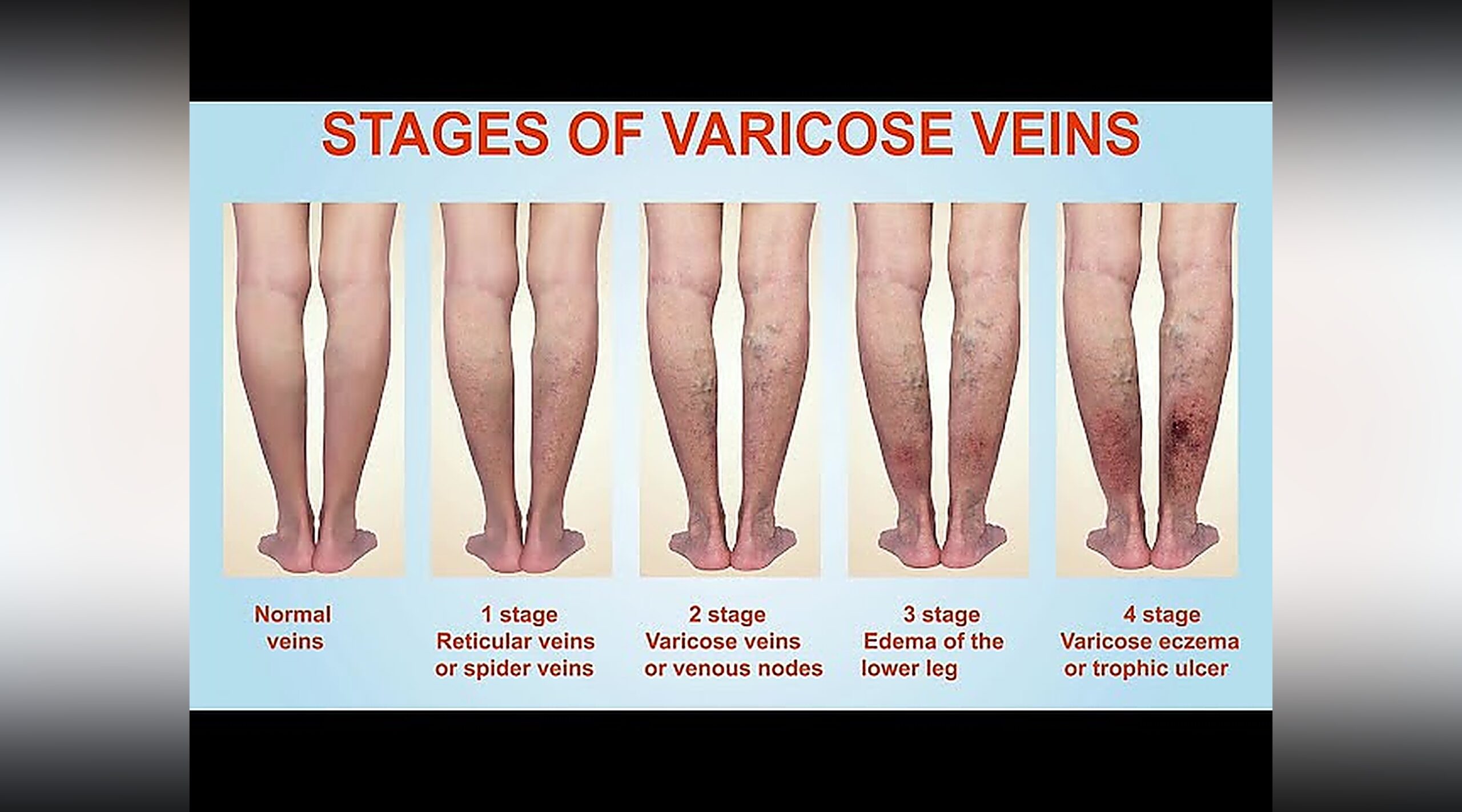
Many patients experience aching, heaviness, throbbing, or fatigue in the legs, especially after standing or sitting for long periods. Other symptoms may include swelling around the ankles, itching, muscle cramps, and visible blue or purple veins. While some people seek treatment for cosmetic reasons, varicose veins can also lead to more significant venous problems if left untreated.
Diagnosis and Vein Evaluation
A thorough evaluation helps determine the severity of the condition and identify any underlying vein dysfunction. Diagnosis typically includes a physical examination and a venous ultrasound to assess blood flow and valve function. Understanding the source of the problem allows for the development of a personalized treatment plan.
Treatment Options for Varicose Veins
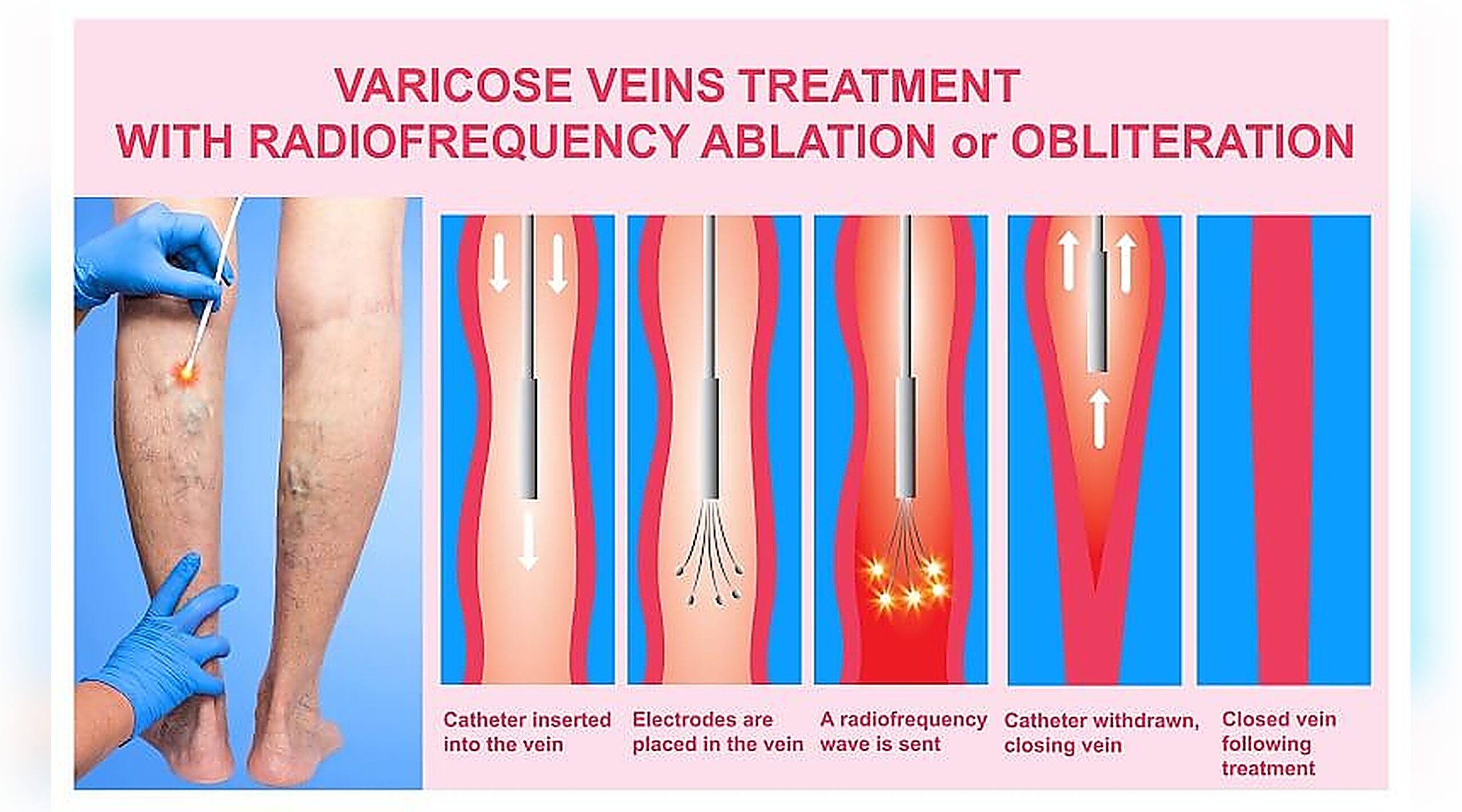
Treatment is designed to improve circulation, relieve symptoms, and reduce the appearance of problematic veins. Depending on the severity of the condition, options may include compression therapy, lifestyle modifications, minimally invasive vein treatments, or advanced procedures to close or remove damaged veins. Modern treatments are often performed on an outpatient basis with minimal downtime.
Improving Comfort and Long-Term Vein Health
Early treatment can help prevent symptoms from worsening and reduce the risk of complications such as skin changes, bleeding, or venous ulcers. Regular follow-up and healthy lifestyle habits can support long-term vein health and circulation. With expert vein care, many patients enjoy greater comfort, improved confidence, and healthier legs.