
Bone Marrow Biopsy (BMBX)
A Bone Marrow Biopsy (BMBX) is a minimally invasive procedure used to collect a small sample of bone marrow tissue for laboratory examination. Bone marrow is the soft, spongy tissue found inside bones where blood cells are produced. Examining bone marrow can help diagnose, monitor, and evaluate a variety of blood disorders, cancers, infections, and other medical conditions.
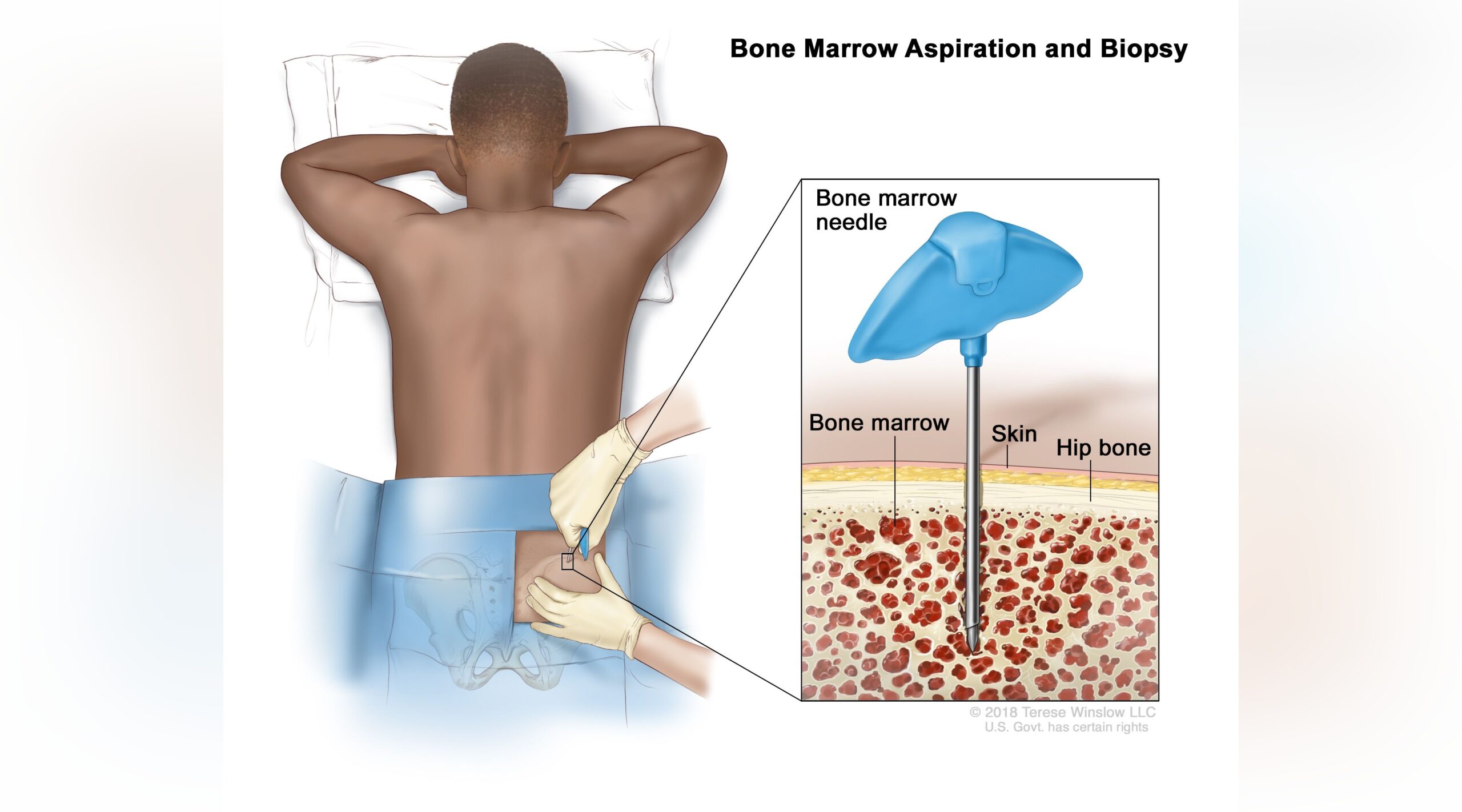
Bone marrow biopsies are most commonly performed on the back of the pelvic bone (hip bone) and are often combined with a bone marrow aspiration, which removes a small amount of liquid marrow for testing.
Why a Bone Marrow Biopsy Is Performed
Your healthcare provider may recommend a bone marrow biopsy if you have:
- Unexplained anemia
- Abnormal blood cell counts
- Suspected leukemia
- Lymphoma
- Multiple myeloma
- Myelodysplastic syndromes
- Myeloproliferative disorders
- Unexplained fevers or infections
- Suspected bone marrow disorders
- Evaluation of cancer spread to the bone marrow
- Monitoring response to treatment for blood-related diseases
The procedure provides valuable information about how blood cells are produced and whether abnormalities are present within the marrow.
How the Procedure Works
Before the Procedure
Preparation may include:
- Review of your medical history and medications
- Blood tests to assess clotting function
- Discussion of allergies and previous reactions to medications
- Temporary adjustment of blood-thinning medications if instructed
- Placement of an intravenous (IV) line if sedation is planned
- Explanation of the procedure and consent process
Most bone marrow biopsies are performed on an outpatient basis.
During the Procedure
- The patient lies comfortably on an examination table, usually on their side or stomach.
- The skin over the biopsy site is cleaned and sterilized.
- Local anesthesia is administered to numb the area.
- A small incision may be made in the skin.
- A specialized biopsy needle is inserted into the bone, typically the pelvic bone.
- A bone marrow aspiration may be performed to collect liquid marrow.
- A small core sample of bone marrow tissue is then obtained.
- The needle is removed.
- Pressure is applied to minimize bleeding.
- A bandage is placed over the biopsy site.
The procedure typically takes 20 to 45 minutes.
What to Expect During the Procedure
- You will usually remain awake during the procedure.
- Local anesthesia helps numb the biopsy area.
- Mild sedation may be offered in some cases.
- You may feel pressure during needle placement.
- A brief pulling sensation or sharp ache may occur during marrow aspiration.
- Most patients tolerate the procedure well.
Healthcare staff will monitor you throughout the procedure to ensure your comfort and safety.
Benefits of a Bone Marrow Biopsy
- Provides critical diagnostic information
- Helps identify blood and bone marrow disorders
- Assists in cancer diagnosis and staging
- Evaluates treatment effectiveness
- Guides treatment planning
- Minimally invasive procedure
- Typically performed on an outpatient basis
- Short recovery time
- Highly accurate diagnostic tool
After the Procedure
Following the biopsy:
- You may be observed briefly before discharge.
- Mild soreness or tenderness at the biopsy site is common.
- The bandage should be kept clean and dry as instructed.
- Strenuous activities may be limited for 24 to 48 hours.
- Most patients return to normal activities within a day or two.
- Over-the-counter pain medication may help relieve discomfort if approved by your physician.
Your healthcare provider will give you specific post-procedure care instructions.
Risks and Safety
Bone marrow biopsy is generally considered safe, but potential risks include:
- Mild pain or soreness at the biopsy site
- Bruising
- Bleeding
- Infection
- Temporary swelling
- Allergic reaction to medications or anesthetics
- Rare injury to nearby structures
Serious complications are uncommon when the procedure is performed by experienced healthcare professionals.
Understanding Your Results
The bone marrow sample is analyzed by specialized laboratory professionals and pathologists. Results may help identify:
- Normal bone marrow function
- Anemia and other blood disorders
- Leukemia
- Lymphoma
- Multiple myeloma
- Bone marrow failure syndromes
- Infections affecting the marrow
- Cancer spread to the bone marrow
- Other hematologic or systemic diseases
Results are typically available within several days to one week, depending on the complexity of testing required.
Frequently Asked Questions
Is a bone marrow biopsy painful?
Most patients experience some pressure and brief discomfort during the procedure. Local anesthesia helps minimize pain, and any soreness afterward is usually temporary.
How long does the procedure take?
Most bone marrow biopsies take approximately 20 to 45 minutes, including preparation and recovery time.
Will I be awake during the procedure?
Yes. Most patients remain awake, although mild sedation may be offered in certain situations.
How long does recovery take?
Most patients resume normal daily activities within one to two days, although mild soreness may persist for a few days.
When will I receive my results?
Results are often available within several days, although specialized testing may require additional time.
Schedule a Consultation
If you have abnormal blood counts, a suspected blood disorder, or require further evaluation of your bone marrow health, a bone marrow biopsy can provide essential diagnostic information. Contact our team today to schedule a consultation and learn more about this important diagnostic procedure and how it may help guide your care.