
Uterine Fibroid Embolization (UFE)
Uterine Fibroid Embolization (UFE) is a minimally invasive, image-guided procedure used to treat uterine fibroids without surgery. Fibroids are noncancerous growths that develop within or around the uterus and can cause symptoms such as heavy menstrual bleeding, pelvic pain, pressure, and urinary frequency.
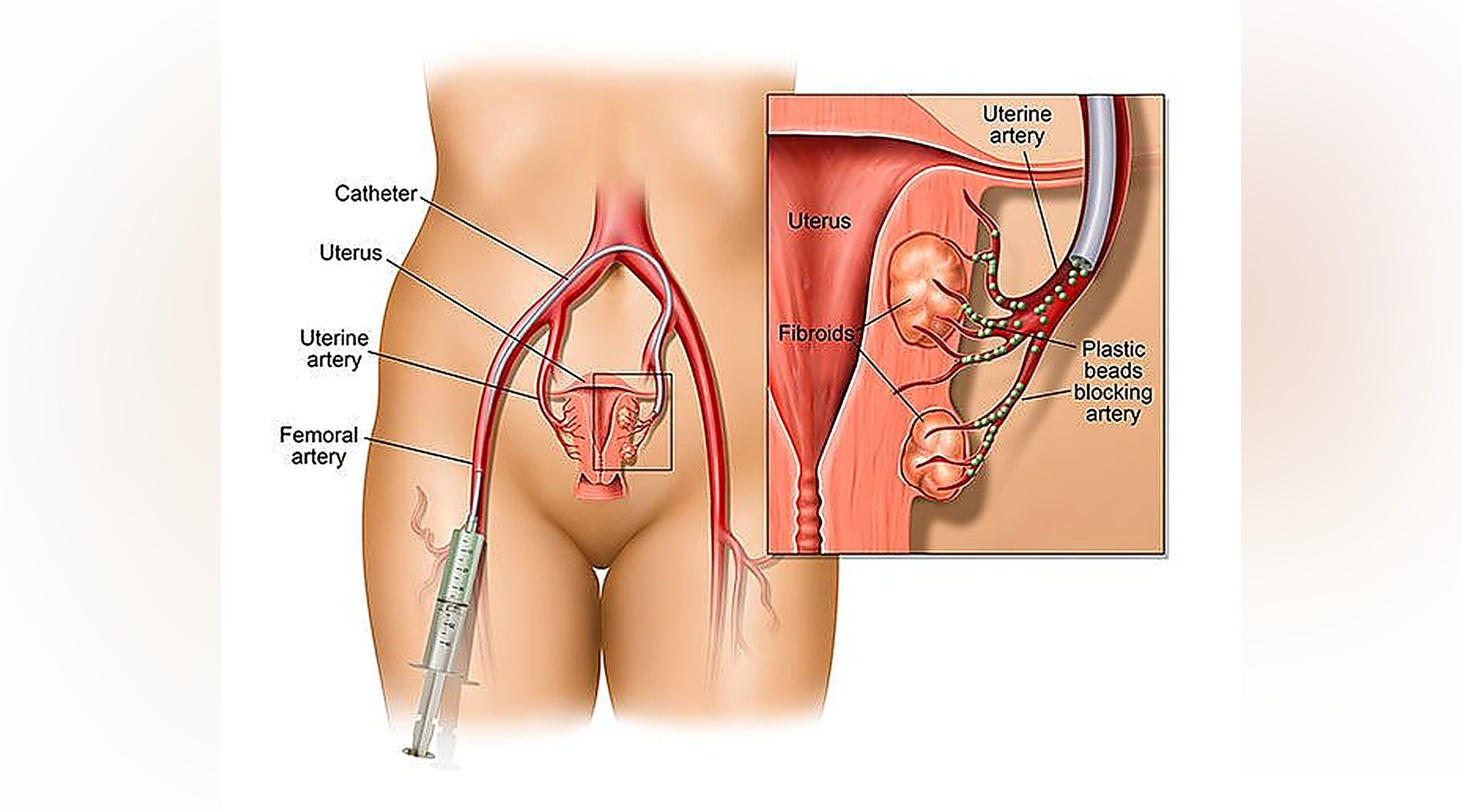
During UFE, tiny particles are injected into the arteries that supply blood to the fibroids, reducing their blood flow. As a result, the fibroids gradually shrink, and symptoms often improve significantly over time.
Why Uterine Fibroid Embolization Is Performed
Your healthcare provider may recommend UFE if you have:
- Symptomatic uterine fibroids
- Heavy or prolonged menstrual bleeding
- Pelvic pain or pressure
- Frequent urination caused by fibroid pressure on the bladder
- Constipation due to pelvic pressure
- Enlarged uterus
- Pain during intercourse
- Anemia related to excessive menstrual bleeding
- Fibroid symptoms that interfere with daily activities
- A desire to avoid hysterectomy or major surgery
UFE is an effective treatment option for many women seeking relief from fibroid-related symptoms.
How the Procedure Works
Before the Procedure
Preparation may include:
- Review of your medical history and medications
- Pelvic examination
- Imaging studies such as ultrasound or MRI
- Blood tests
- Discussion of treatment goals and future fertility considerations
- Temporary adjustment of certain medications if instructed
- Placement of an intravenous (IV) line for medications and fluids
The procedure is typically performed in a hospital or outpatient interventional radiology center.
During the Procedure
- The patient lies comfortably on an examination table.
- The skin is cleaned and sterilized.
- Local anesthesia is administered at the catheter insertion site, usually in the wrist or groin.
- A small catheter is inserted into an artery.
- Using real-time X-ray imaging, the catheter is guided to the uterine arteries.
- Contrast dye is injected to visualize blood flow to the fibroids.
- Tiny embolic particles are delivered into the arteries supplying the fibroids.
- Blood flow to the fibroids is reduced or blocked.
- The process is repeated on both uterine arteries when necessary.
- The catheter is removed and the access site is closed.
The procedure generally takes 1 to 2 hours.
What to Expect During the Procedure
- You will remain awake, although sedation may be provided for comfort.
- Most patients experience little discomfort during the procedure itself.
- You may feel a temporary warm sensation when contrast dye is injected.
- Vital signs are monitored throughout treatment.
- No large surgical incisions are required.
Most patients tolerate the procedure very well.
Benefits of Uterine Fibroid Embolization
- Minimally invasive alternative to surgery
- No removal of the uterus
- No large abdominal incision
- Effective reduction of fibroid symptoms
- Reduced menstrual bleeding
- Relief from pelvic pressure and pain
- Shorter recovery compared to hysterectomy or myomectomy
- Preservation of the uterus
- Outpatient or short hospital stay
- Faster return to normal activities
After the Procedure
Following UFE:
- You will be monitored during recovery for several hours.
- Cramping and pelvic discomfort are common during the first few days.
- Pain medications may be prescribed to help manage symptoms.
- Mild fatigue, nausea, or low-grade fever may occur temporarily.
- Most patients return home the same day or after an overnight stay.
- Normal activities are often resumed within one to two weeks.
- Fibroids gradually shrink over several months following treatment.
Your physician will provide detailed post-procedure instructions and follow-up recommendations.
Risks and Safety
Uterine Fibroid Embolization is generally considered safe, but potential risks include:
- Pelvic pain or cramping
- Nausea or fatigue
- Mild fever
- Bruising or bleeding at the catheter insertion site
- Infection
- Temporary changes in menstrual cycles
- Passage of fibroid tissue
- Allergic reaction to contrast dye
- Blood vessel injury
- Need for future fibroid treatment
Serious complications are uncommon when the procedure is performed by experienced specialists.
Understanding Your Results
Successful UFE may result in:
- Significant reduction in menstrual bleeding
- Relief of pelvic pain and pressure
- Decreased urinary frequency
- Improved energy levels if anemia improves
- Reduction in fibroid size
- Improved quality of life
- Reduced need for future surgical treatment
Many women notice symptom improvement within weeks, while fibroid shrinkage continues over several months.
Frequently Asked Questions
What are uterine fibroids?
Uterine fibroids are noncancerous growths that develop within or around the uterus. They are common and can vary greatly in size and number.
Is UFE surgery?
No. UFE is a minimally invasive catheter-based procedure that treats fibroids without removing the uterus.
How long does the procedure take?
Most UFE procedures take approximately 1 to 2 hours.
When will I notice improvement?
Many patients notice improvement in symptoms within a few weeks, with continued benefits as the fibroids shrink over several months.
Can fibroids return after UFE?
The treated fibroids typically continue to shrink and do not regrow. However, new fibroids may develop in the future in some women.
Schedule a Consultation
If you are experiencing heavy menstrual bleeding, pelvic pressure, pain, or other symptoms caused by uterine fibroids, Uterine Fibroid Embolization may offer effective relief without major surgery. Contact our team today to schedule a consultation and learn whether this minimally invasive treatment is right for your needs and lifestyle.