
Tunneled Catheter Management
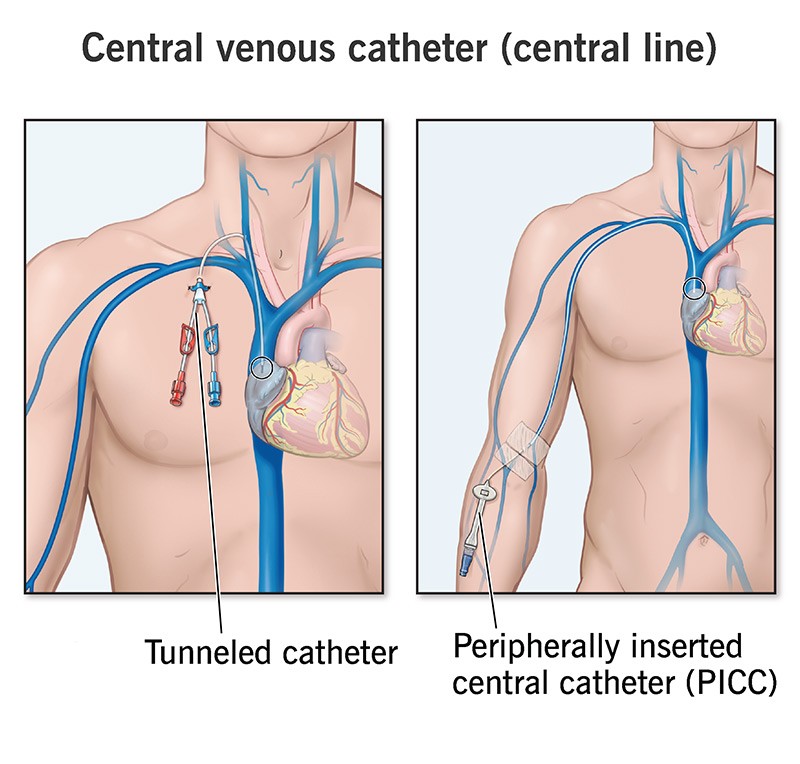
Tunneled Catheter Management involves the placement, evaluation, maintenance, exchange, repair, or removal of tunneled dialysis catheters used for hemodialysis and other long-term vascular access needs. These specialized catheters are typically placed into a large central vein, most commonly in the neck or chest, and provide reliable access to the bloodstream when a fistula or graft is not available or is not functioning properly.
Proper catheter management helps ensure safe, effective dialysis treatments while minimizing the risk of complications such as infection, clotting, or catheter malfunction.
Why Tunneled Catheter Management Is Performed
Your healthcare provider may recommend tunneled catheter management if you have:
- Need for temporary or long-term dialysis access
- A newly diagnosed need for hemodialysis
- A fistula or graft that is not yet ready for use
- Malfunctioning dialysis catheter
- Poor blood flow through the catheter
- Catheter-related clotting or blockage
- Suspected catheter infection
- Damaged or broken catheter components
- Need for catheter replacement or exchange
- Completion of dialysis access transition to a fistula or graft
The goal is to maintain reliable vascular access and support effective dialysis treatment.
How the Procedure Works
Before the Procedure
Preparation may include:
- Review of your medical history and medications
- Physical examination of the catheter site
- Blood tests if needed
- Evaluation of catheter function and blood flow
- Imaging studies when catheter position or complications are suspected
- Discussion of symptoms such as fever, swelling, or access problems
- Placement of an intravenous (IV) line if necessary
Most catheter management procedures are performed in an outpatient vascular center, interventional radiology suite, or hospital.
During the Procedure
Depending on the issue being addressed, the procedure may involve:
Catheter Evaluation
- The catheter is inspected for signs of damage or infection.
- Blood flow through each catheter lumen is tested.
- Imaging may be performed to assess catheter position and function.
Catheter Exchange
- The treatment area is cleaned and sterilized.
- Local anesthesia is administered.
- A guidewire is inserted through the existing catheter.
- The old catheter is removed.
- A new tunneled catheter is placed over the guidewire.
- Imaging confirms proper positioning.
- The catheter is secured and prepared for use.
Catheter Removal
- The area is cleaned and numbed with local anesthesia.
- The catheter is carefully freed from surrounding tissue.
- The catheter is removed.
- Pressure is applied to prevent bleeding.
- A dressing is placed over the site.
Most procedures take approximately 30 to 60 minutes, although complex cases may require additional time.
What to Expect During the Procedure
- You will usually remain awake throughout the procedure.
- Local anesthesia helps keep the area comfortable.
- Mild sedation may be provided when appropriate.
- Most patients experience minimal discomfort.
- Vital signs are monitored throughout treatment.
- Imaging guidance may be used to ensure safe catheter placement or exchange.
Benefits of Tunneled Catheter Management
- Maintains reliable dialysis access
- Improves blood flow during dialysis treatments
- Addresses catheter dysfunction quickly
- Reduces treatment interruptions
- Minimally invasive approach
- Helps prevent complications related to catheter malfunction
- Supports effective dialysis delivery
- Outpatient treatment in many cases
- Promotes patient safety and comfort
After the Procedure
Following catheter management:
- You may be monitored briefly before discharge.
- Mild soreness around the catheter site may occur.
- A clean, dry dressing should be maintained as instructed.
- The catheter may be used for dialysis immediately if approved by your physician.
- Patients should monitor for signs of infection or catheter problems.
- Follow-up appointments may be scheduled to evaluate catheter function.
Your healthcare team will provide detailed care instructions for the catheter site.
Risks and Safety
Tunneled catheter management is generally considered safe, but potential risks include:
- Bleeding at the catheter site
- Bruising
- Infection
- Blood clot formation
- Catheter blockage
- Catheter displacement
- Damage to nearby blood vessels
- Air embolism (rare)
- Allergic reaction to medications or materials used during the procedure
- Need for repeat catheter intervention
Serious complications are uncommon when procedures are performed by experienced specialists.
Understanding Your Results
Successful tunneled catheter management may result in:
- Improved catheter blood flow
- More effective dialysis treatments
- Resolution of catheter malfunction
- Reduced risk of infection-related complications
- Reliable vascular access for ongoing treatment
- Safe transition to a fistula or graft when appropriate
Your physician will review the results and discuss any additional care or future access planning.
Frequently Asked Questions
What is a tunneled dialysis catheter?
A tunneled dialysis catheter is a flexible tube placed into a large central vein that provides direct access to the bloodstream for hemodialysis treatments.
Why would a catheter need to be exchanged?
A catheter may need replacement if it becomes blocked, damaged, infected, poorly positioned, or no longer functions adequately for dialysis.
Is catheter management painful?
Most patients experience minimal discomfort. Local anesthesia is used to numb the treatment area, and sedation may be provided if needed.
Can I receive dialysis immediately after a catheter exchange?
In many cases, the new catheter can be used immediately for dialysis. Your physician and dialysis team will provide specific guidance.
How can I help prevent catheter problems?
Keeping the catheter site clean and dry, following dialysis care instructions, and reporting symptoms such as fever, redness, swelling, or poor catheter function can help reduce complications.
Schedule a Consultation
If you are experiencing dialysis catheter problems, reduced blood flow, suspected infection, or need placement, exchange, or removal of a tunneled catheter, our team can help. Contact us today to schedule a consultation and learn more about maintaining safe, reliable vascular access for your dialysis care.