
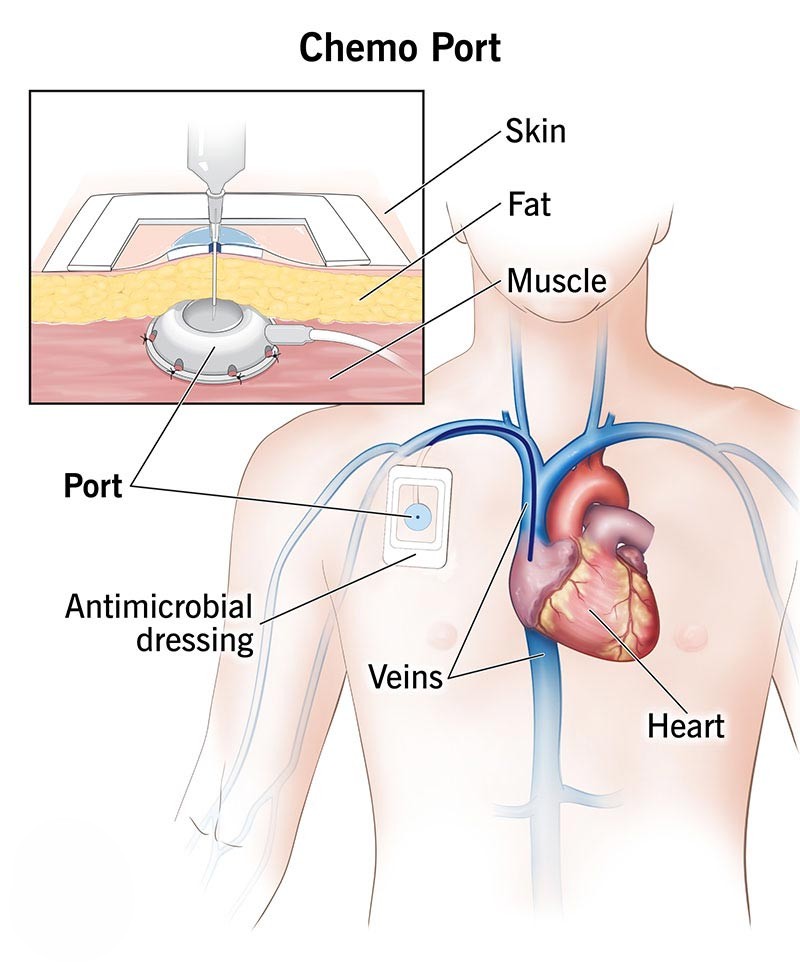
Dialysis Port Issues
Understanding Dialysis Port Issues
A dialysis port, also known as a dialysis catheter, provides temporary or long-term access to the bloodstream for hemodialysis treatments. While these devices are essential for many patients, they can sometimes develop problems that affect blood flow or increase the risk of complications. Prompt attention to port-related issues helps ensure that dialysis treatments continue without unnecessary interruptions.
Common Signs and Symptoms
Patients may experience difficulty during dialysis sessions, reduced blood flow through the catheter, swelling around the neck, chest, or arm, discomfort near the access site, or prolonged treatment times. Other warning signs may include redness, drainage, fever, or chills, which can indicate infection and require immediate medical attention.
Diagnosis and Evaluation
A thorough evaluation is important to determine the cause of port dysfunction and identify any complications. Assessment may include a physical examination, imaging studies, catheter flow testing, and specialized procedures to evaluate the position and function of the catheter. Accurate diagnosis helps guide the most effective treatment plan.
Treatment Options for Port Problems
Treatment depends on the underlying issue affecting the dialysis port. Options may include catheter repositioning, clot removal, medication to restore blood flow, catheter exchange, or treatment for infection when necessary. Minimally invasive procedures are often used to resolve problems quickly and restore reliable dialysis access.
Maintaining Safe and Reliable Access
Regular monitoring and proper catheter care are essential for reducing the risk of infection, blockage, and other complications. Patients should promptly report any changes in catheter function, swelling, pain, or signs of infection. With timely intervention and expert access management, many dialysis port issues can be successfully treated while maintaining effective dialysis care.