
Peripheral Artery Disease (PAD)
Understanding Peripheral Artery Disease (PAD)
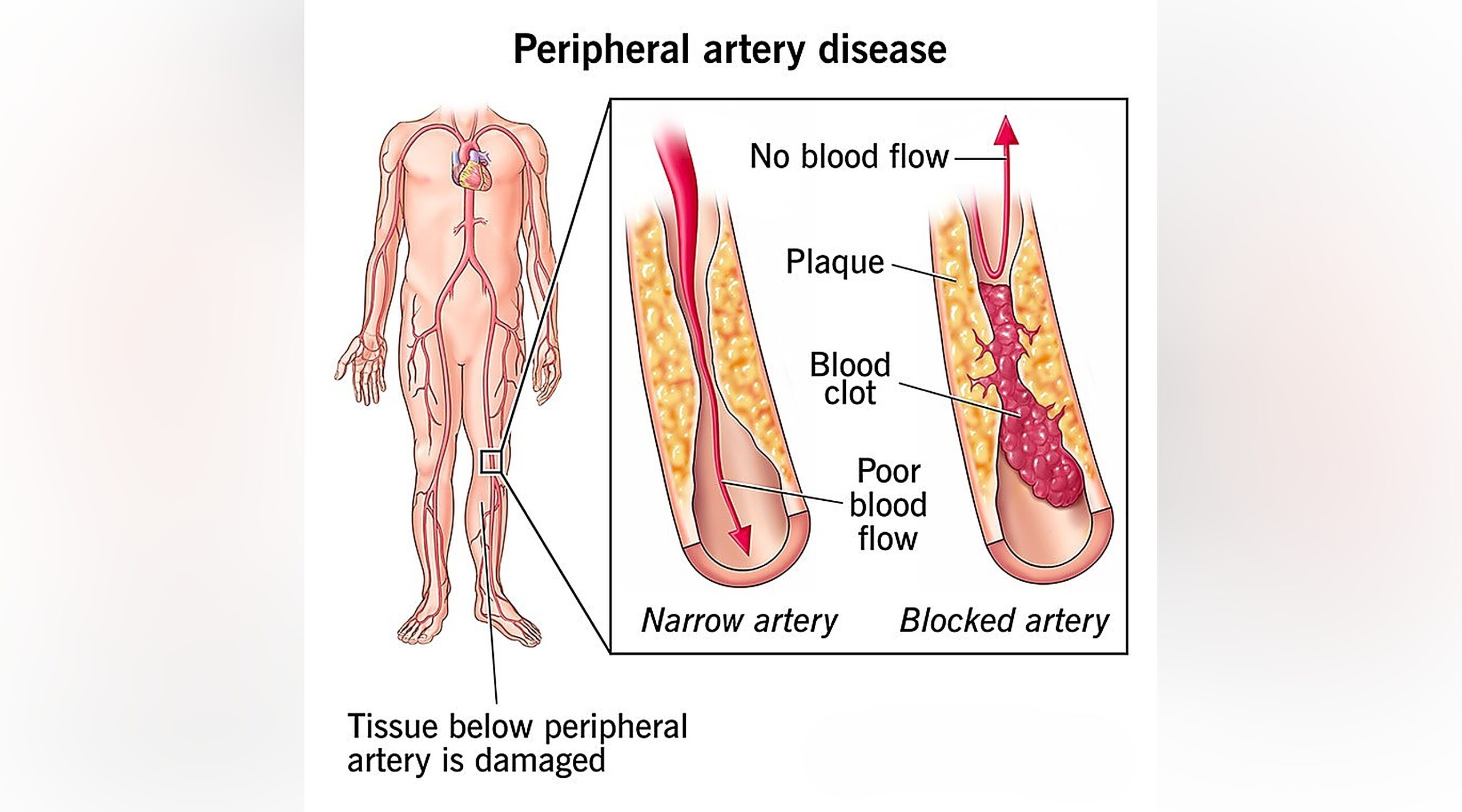
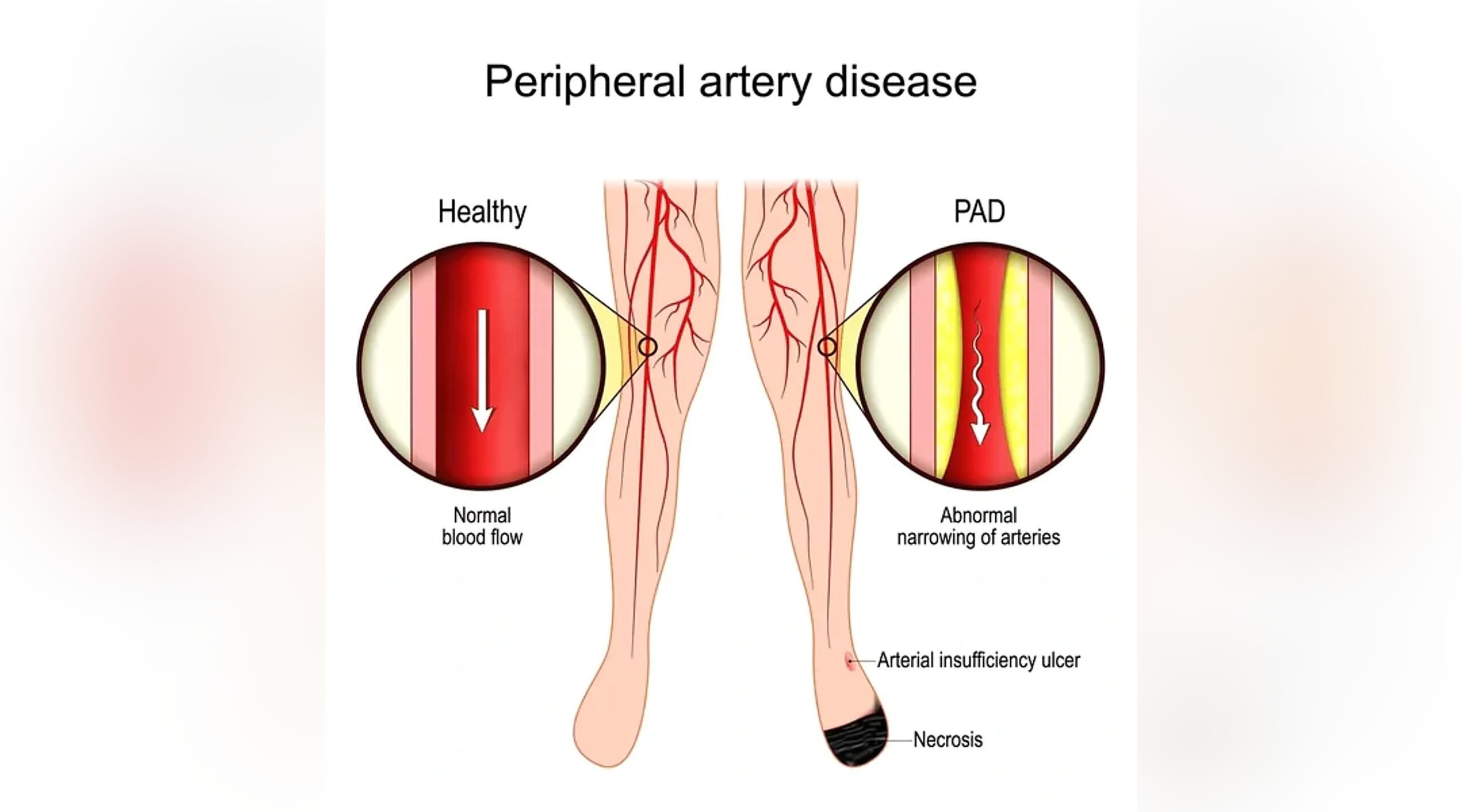
Peripheral Artery Disease (PAD) is a condition in which the arteries that supply blood to the legs become narrowed or blocked, usually due to the buildup of fatty deposits known as plaque. Reduced blood flow can make it difficult for the muscles and tissues in the legs to receive the oxygen they need. PAD is a common circulatory condition that can worsen over time if left untreated, increasing the risk of serious complications.
Signs and Symptoms of PAD
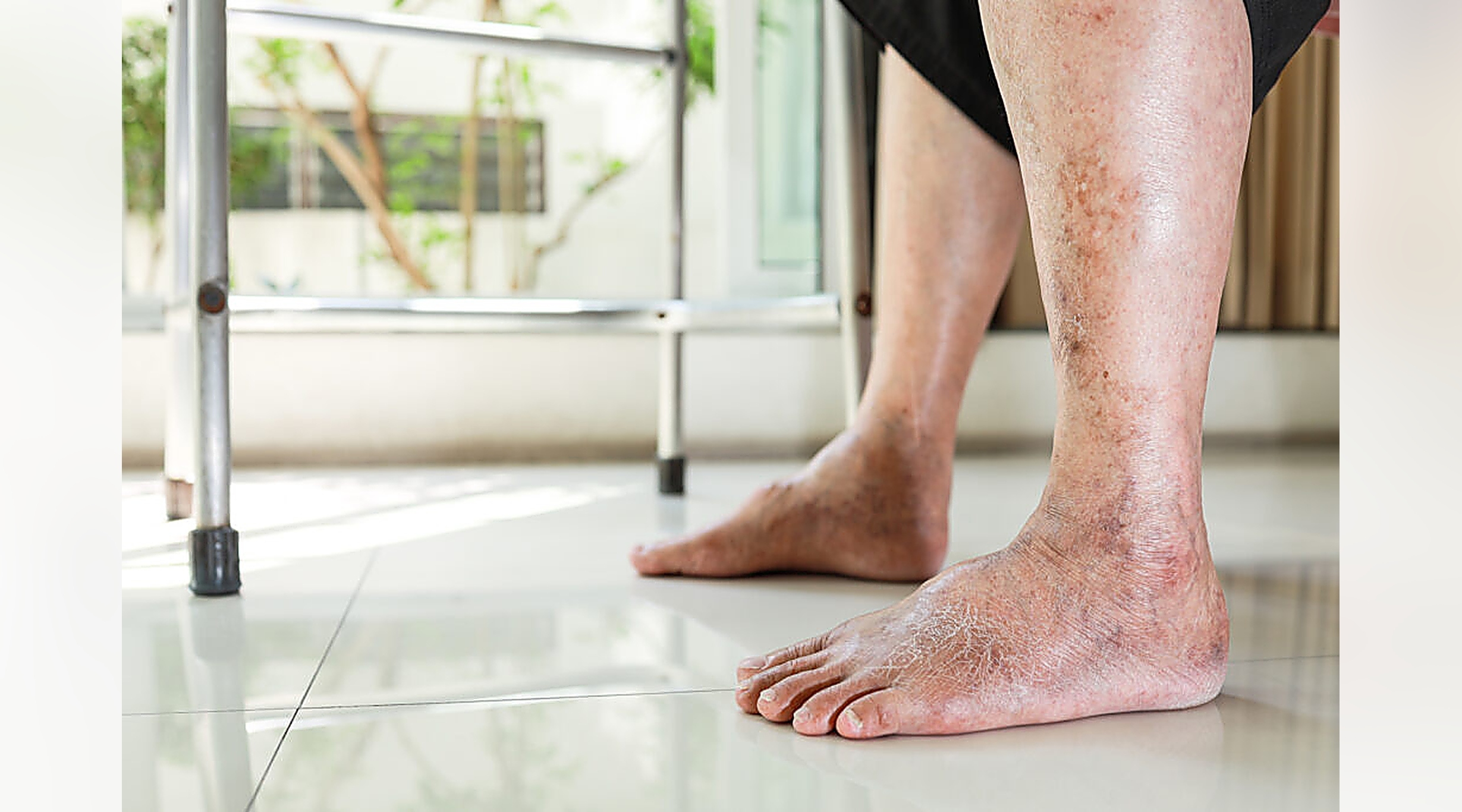
Many people with PAD experience leg pain, cramping, or fatigue while walking, which often improves with rest. Other symptoms may include numbness, cold feet, slow-healing wounds, skin discoloration, or reduced hair growth on the legs. Because symptoms can develop gradually, some patients may not realize they have PAD until the condition becomes more advanced.
Diagnosis and Evaluation
Early diagnosis is essential for preventing complications and preserving healthy circulation. Evaluation typically includes a detailed medical history, physical examination, and specialized tests such as an ankle-brachial index (ABI), vascular ultrasound, CT angiography, or other imaging studies. These tests help determine the location and severity of arterial narrowing and guide the most appropriate treatment plan.
Treatment Options for PAD
Treatment focuses on improving blood flow, reducing symptoms, and lowering the risk of future cardiovascular problems. Depending on the severity of the condition, treatment may include lifestyle changes, medications, supervised exercise programs, minimally invasive vascular procedures, or advanced interventions to open blocked arteries. Personalized care helps patients regain mobility and improve overall vascular health.
Protecting Your Circulation for the Future
Ongoing management and regular follow-up play an important role in controlling PAD and preventing disease progression. Managing risk factors such as smoking, diabetes, high blood pressure, and high cholesterol can significantly improve outcomes. With timely treatment and expert vascular care, many patients can continue to lead active, healthy, and independent lives.