
Heavy Menstrual Bleeding
Understanding Heavy Menstrual Bleeding
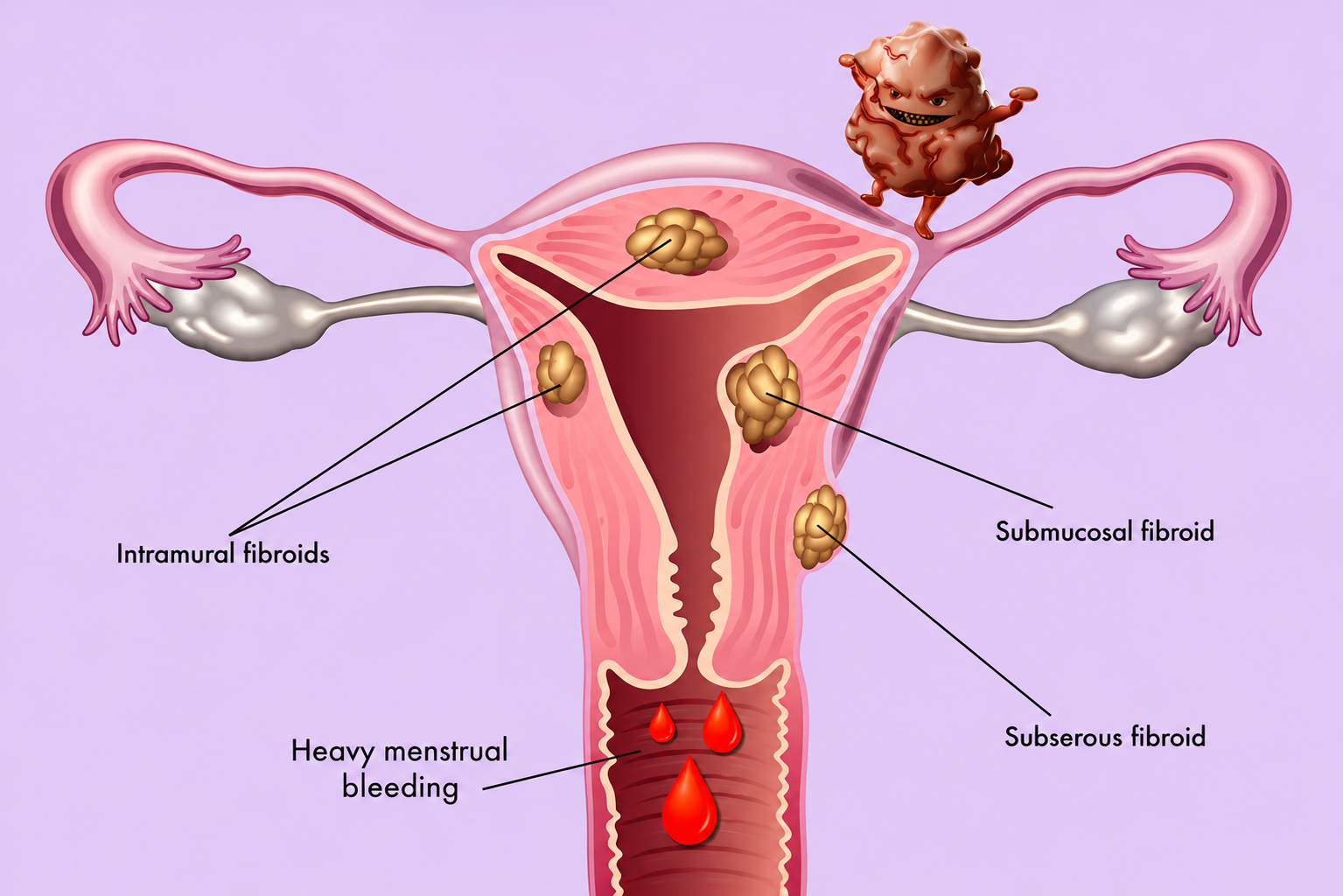
Heavy menstrual bleeding is a condition in which menstrual periods are unusually heavy, prolonged, or both. Women may experience blood loss significant enough to interfere with daily activities, work, social events, and overall well-being. Heavy bleeding can be caused by uterine fibroids, hormonal imbalances, adenomyosis, polyps, or other gynecological conditions.
Common Symptoms and Warning Signs
Women with heavy menstrual bleeding may need to change pads or tampons frequently, pass large blood clots, or experience periods lasting longer than usual. Some may also develop fatigue, weakness, shortness of breath, or dizziness due to iron deficiency and anemia caused by excessive blood loss. These symptoms should not be ignored and often benefit from medical evaluation.
Diagnosis and Evaluation
A comprehensive assessment is important to determine the underlying cause of heavy bleeding. Evaluation may include a medical history, physical examination, blood tests, pelvic ultrasound, MRI, or other diagnostic procedures. Identifying the source of the problem helps guide the most effective treatment strategy.
Treatment Options for Symptom Relief
Treatment depends on the cause, severity of symptoms, age, and future family planning goals. Options may include medications, hormonal therapies, minimally invasive procedures, uterine fibroid embolization (UFE), endometrial treatments, or surgical interventions when necessary. Personalized care aims to reduce bleeding, improve comfort, and restore quality of life.
Improving Health and Daily Life
Early treatment can help prevent anemia, reduce discomfort, and allow women to return to their normal routines with greater confidence. Ongoing follow-up and individualized care are important for long-term symptom management. With proper diagnosis and expert treatment, many women experience significant relief and improved overall health.