
Dialysis Graft Problems
Understanding Dialysis Graft Problems
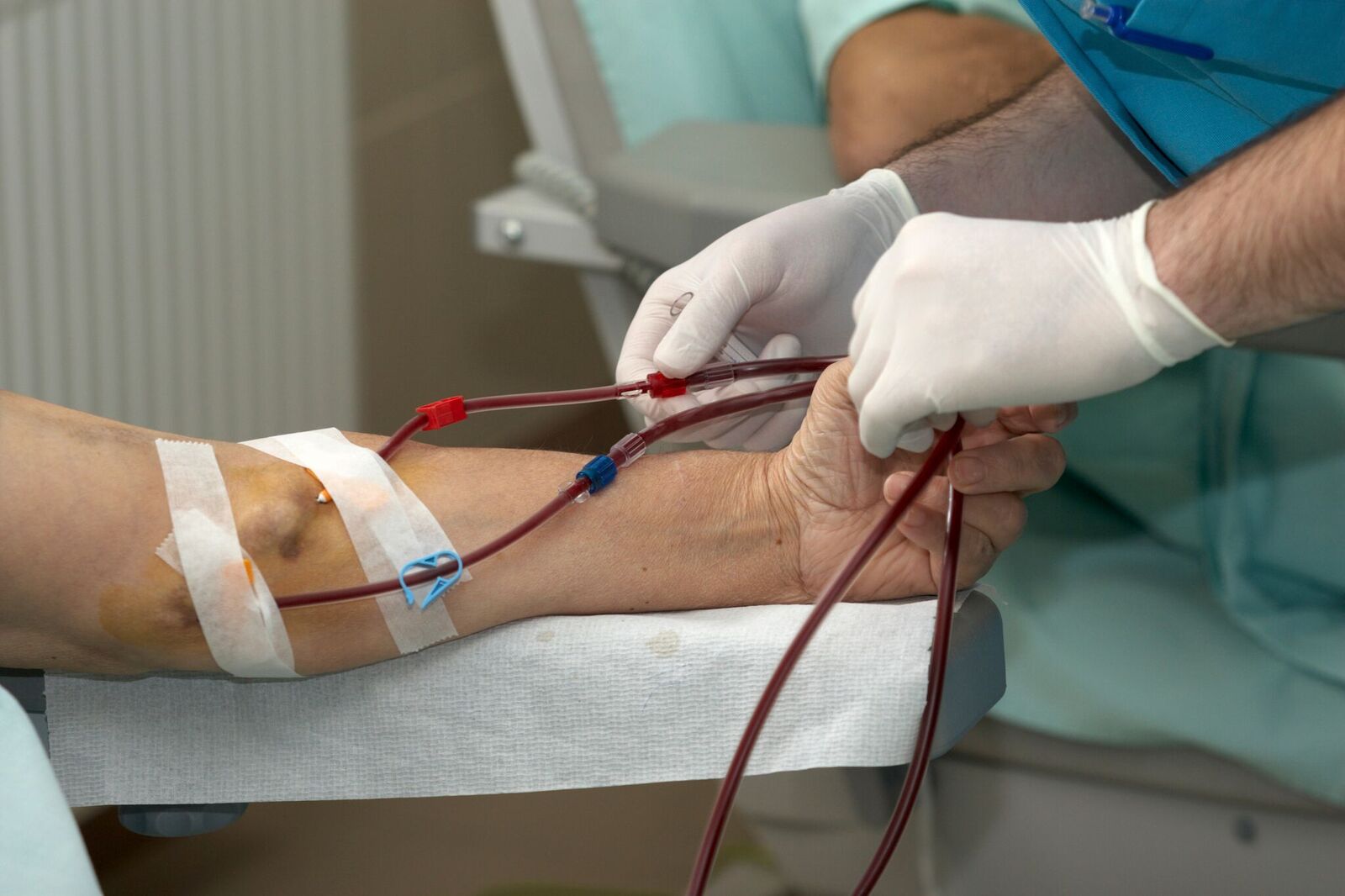
A dialysis graft is a synthetic tube placed beneath the skin to connect an artery and a vein, providing access for hemodialysis treatments. Over time, grafts can develop narrowing, reduced blood flow, clotting, or other complications that affect their function. Prompt evaluation and treatment are important to maintain effective dialysis and protect the access site.
Common Signs and Symptoms
Patients may notice difficulty during dialysis sessions, prolonged bleeding after treatment, swelling of the arm, pain around the graft, or changes in the normal vibration (thrill) felt over the access. Some individuals may also experience poor dialysis performance or repeated issues with needle placement. These symptoms may indicate a developing problem within the graft.
Diagnosis and Access Evaluation
A thorough evaluation helps identify the cause of graft dysfunction and determine the best treatment approach. Assessment may include a physical examination, vascular ultrasound, fistulogram, and other imaging studies to evaluate blood flow and detect narrowing or blockages. Early diagnosis can help prevent complete graft failure and reduce treatment disruptions.
Treatment Options for Graft Dysfunction
Treatment focuses on restoring blood flow and preserving the dialysis access. Depending on the underlying problem, options may include minimally invasive angioplasty to open narrowed areas, thrombectomy to remove blood clots, stent placement, or other specialized vascular procedures. Timely intervention can often restore graft function and improve dialysis efficiency.
Maintaining a Healthy Dialysis Access
Regular monitoring and proper access care play a vital role in preventing complications and extending the life of the graft. Patients should report any changes in swelling, pain, bleeding, or dialysis performance as soon as possible. With expert vascular access management and prompt treatment, many graft-related issues can be successfully addressed while maintaining reliable dialysis access.