
Compression Fractures
Understanding Compression Fractures
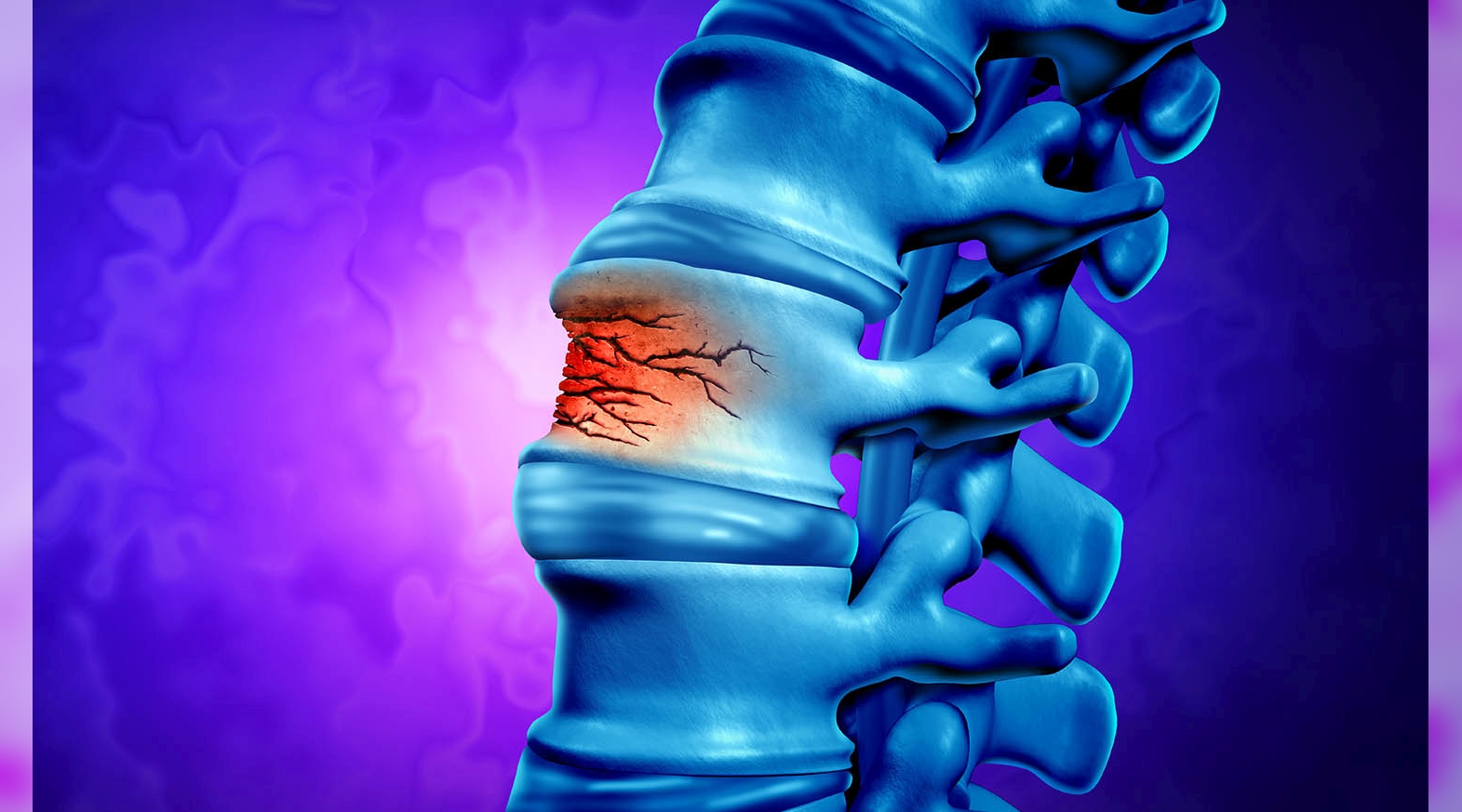
A compression fracture occurs when one of the bones in the spine (vertebrae) collapses or becomes compressed. These fractures are commonly associated with osteoporosis, aging, trauma, or certain medical conditions that weaken the bones. Compression fractures can cause significant pain and may affect posture, mobility, and overall quality of life.
Common Symptoms and Warning Signs
Patients often experience sudden or worsening back pain that may become more noticeable when standing, walking, or changing positions. Some individuals may also notice loss of height, a stooped posture, reduced mobility, or difficulty performing everyday activities. Symptoms can vary depending on the location and severity of the fracture.
Diagnosis and Evaluation
A thorough evaluation is essential to confirm the diagnosis and assess the extent of the injury. Diagnostic testing may include a physical examination, X-rays, MRI, CT scans, or bone density studies. These tests help determine the severity of the fracture and identify any underlying conditions contributing to bone weakness.
Treatment Options for Pain Relief
Treatment depends on the severity of symptoms and the stability of the fracture. Options may include pain management, bracing, physical therapy, osteoporosis treatment, and minimally invasive procedures such as vertebroplasty or kyphoplasty to stabilize the fractured vertebra. Personalized treatment plans focus on relieving pain and improving function.
Supporting Recovery and Bone Health
Early treatment can help reduce pain, improve mobility, and prevent additional spinal complications. Ongoing management of bone health, including osteoporosis prevention and regular follow-up care, plays an important role in long-term recovery. With expert evaluation and appropriate treatment, many patients can return to their daily activities with greater comfort and confidence.