
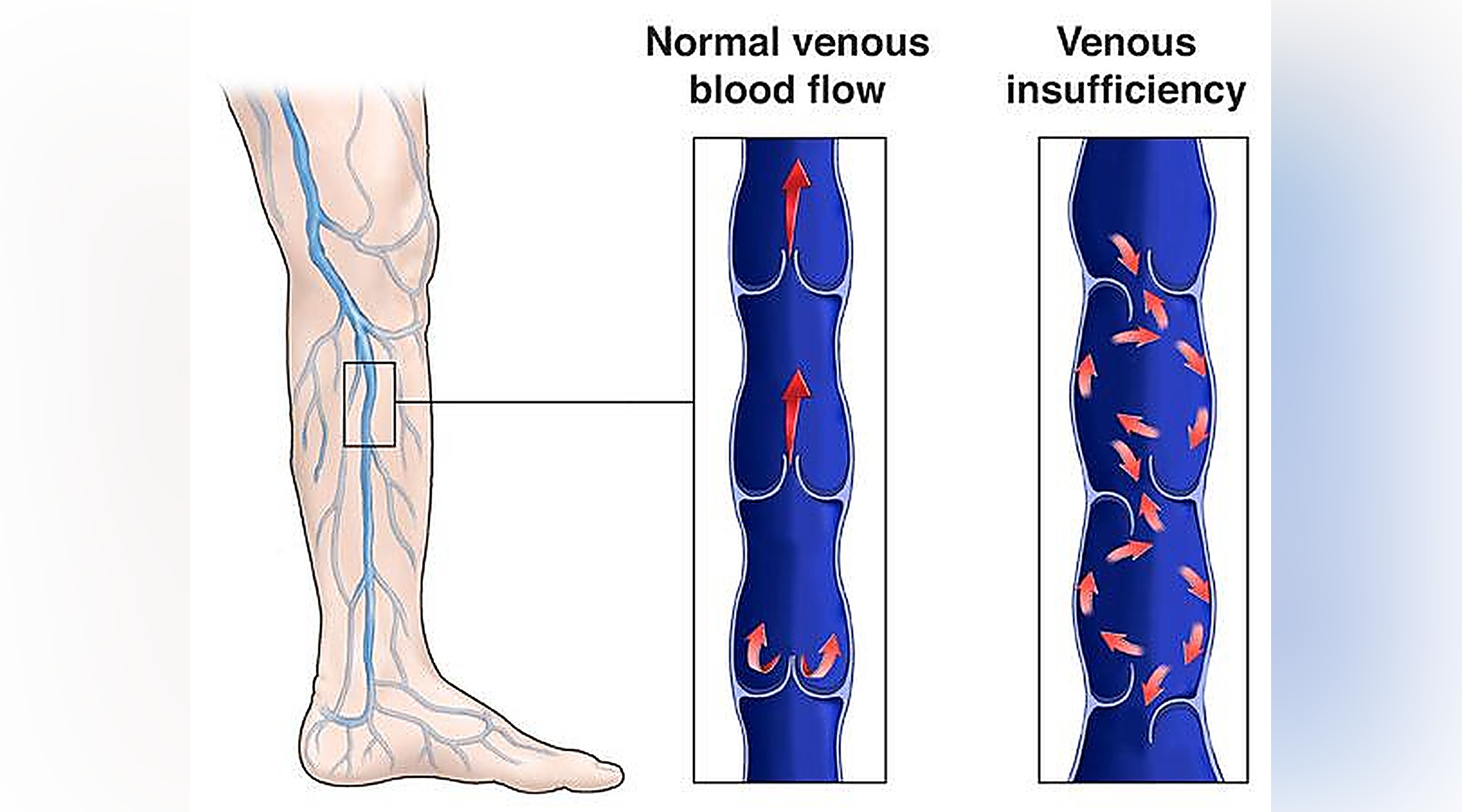
Chronic Venous Insufficiency (CVI)
Understanding Chronic Venous Insufficiency
Chronic Venous Insufficiency (CVI) occurs when the valves inside the leg veins become weakened or damaged, making it difficult for blood to flow back toward the heart. As blood pools in the veins, pressure builds up in the legs, leading to swelling, discomfort, and skin changes. CVI is a progressive condition that can worsen over time if not properly managed.
Common Symptoms of CVI
Patients with CVI often experience leg heaviness, aching, swelling, fatigue, or a feeling of tightness in the lower legs. Symptoms may become more noticeable after long periods of standing or sitting and often improve with leg elevation. Some individuals may also develop varicose veins, skin discoloration, itching, or thickened skin around the ankles.
Diagnosis and Venous Evaluation
A comprehensive vein evaluation is important for identifying the severity and underlying cause of CVI. Diagnosis typically includes a physical examination and a venous ultrasound to assess blood flow and valve function within the veins. These tests help guide treatment decisions and ensure the most appropriate care plan.
Treatment Options for CVI
Treatment focuses on improving circulation, reducing symptoms, and preventing complications. Depending on the severity of the condition, recommendations may include compression stockings, lifestyle changes, exercise, leg elevation, and minimally invasive vein procedures to treat damaged veins. Early treatment can help improve comfort and slow disease progression.
Preventing Complications and Maintaining Vein Health
Without treatment, CVI can lead to skin damage, persistent swelling, venous ulcers, and other long-term complications. Ongoing monitoring and proper vein care are essential for maintaining healthy circulation and protecting the legs. With timely diagnosis and personalized treatment, many patients experience lasting symptom relief and improved quality of life.