
Stent Placement
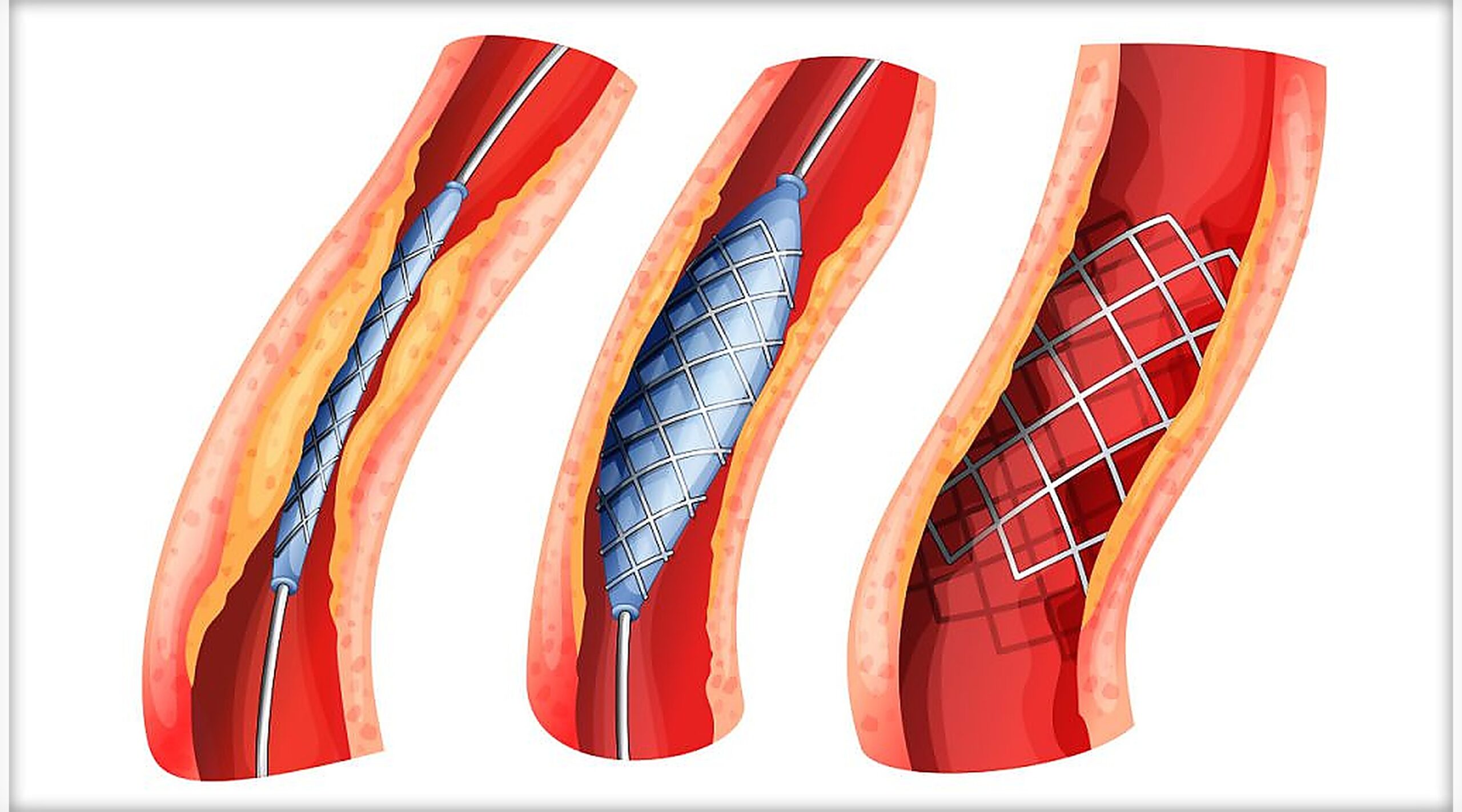
Stent Placement is a minimally invasive procedure used to treat narrowed or blocked arteries and restore healthy blood flow to the legs. A stent is a small, expandable mesh tube that is placed inside an artery to help keep it open after it has been widened with a balloon angioplasty.
Stent placement is commonly performed to treat Peripheral Artery Disease (PAD), a condition caused by plaque buildup that restricts blood flow to the lower extremities. By improving circulation, the procedure can help relieve symptoms, promote wound healing, and reduce the risk of serious vascular complications.
Why Stent Placement Is Performed
Your healthcare provider may recommend stent placement if you have:
- Peripheral Artery Disease (PAD)
- Significant narrowing or blockage in a leg artery
- Leg pain while walking (claudication)
- Leg pain at rest due to poor circulation
- Non-healing wounds or ulcers on the feet or legs
- Reduced blood flow threatening tissue health
- Arterial narrowing that is likely to recur after angioplasty alone
- Calcified or complex arterial blockages
The procedure helps maintain long-term blood flow and improve circulation to the lower extremities.
How the Procedure Works
Before the Procedure
Preparation may include:
- Reviewing your medical history and medications
- Blood tests and vascular imaging studies
- Temporary adjustment of blood-thinning medications if instructed
- Fasting for several hours before the procedure
- Placement of an intravenous (IV) line for medications and fluids
The procedure is typically performed in a hospital or outpatient vascular center.
During the Procedure
- The patient lies comfortably on an examination table.
- The skin is cleaned and sterilized.
- Local anesthesia is administered at the catheter insertion site, usually in the groin or arm.
- A small catheter is inserted into an artery.
- Using real-time X-ray guidance, the catheter is advanced to the narrowed or blocked artery.
- A balloon catheter may be used to widen the artery.
- A stent mounted on a catheter is positioned within the treated area.
- The stent is expanded and secured against the artery wall.
- The catheter and delivery system are removed.
- The stent remains permanently in place to help keep the artery open.
The procedure typically takes 30 minutes to 2 hours, depending on the location and complexity of the blockage.
Types of Stents
Several types of stents may be used, including:
- Bare-Metal Stents – provide structural support to keep the artery open
- Drug-Coated Stents – release medication that helps reduce the risk of re-narrowing
- Self-Expanding Stents – designed to adapt to movement within the leg arteries
- Balloon-Expandable Stents – expanded using a balloon for precise placement
Your physician will determine the most appropriate stent based on your vascular condition.
What to Expect During the Procedure
- You will remain awake but may receive medication to help you relax.
- Mild pressure may be felt at the catheter insertion site.
- Some patients experience a brief sensation when the balloon is inflated.
- Vital signs are monitored continuously throughout the procedure.
- Most patients experience minimal discomfort.
Benefits of Stent Placement
- Restores blood flow to the legs and feet
- Helps keep treated arteries open
- Relieves symptoms of Peripheral Artery Disease
- Improves walking ability and mobility
- Promotes healing of wounds and ulcers
- Minimally invasive alternative to open surgery
- Short recovery time
- Reduced hospital stay
- Long-lasting improvement in circulation for many patients
After the Procedure
Following stent placement:
- You will be monitored in a recovery area for several hours.
- Mild bruising, tenderness, or swelling at the catheter site may occur.
- Walking is often encouraged shortly after the procedure.
- Most patients return home the same day or after an overnight stay.
- Blood-thinning medications may be prescribed to help prevent clot formation within the stent.
- Follow-up appointments may be scheduled to monitor blood flow and stent function.
Your physician will provide detailed recovery instructions based on your individual condition.
Risks and Safety
Stent placement is generally considered safe, but potential risks include:
- Bleeding at the catheter insertion site
- Bruising or swelling
- Infection
- Blood clot formation within the stent
- Damage to the artery
- Allergic reaction to contrast dye
- Re-narrowing of the artery (restenosis)
- Kidney complications related to contrast dye
- Rare heart attack, stroke, or severe vascular complications
Your healthcare team takes extensive precautions to minimize these risks.
Understanding Your Results
Successful stent placement may result in:
- Improved blood flow to the lower extremities
- Reduced leg pain and cramping
- Better walking distance and physical activity
- Improved wound healing
- Enhanced circulation to the feet and toes
- Reduced risk of limb-threatening complications
Follow-up imaging studies may be recommended to ensure the stent remains open and functioning properly.
Frequently Asked Questions
Is stent placement painful?
Most patients experience minimal discomfort. Local anesthesia and sedation help keep the procedure comfortable.
Will I be awake during the procedure?
Yes. Most patients remain awake but relaxed throughout the procedure.
How long does a stent last?
Stents are designed to remain in place permanently. Regular follow-up care helps ensure they continue functioning properly.
Will I need to take medication afterward?
Many patients are prescribed blood-thinning medications for a period of time to reduce the risk of clot formation within the stent.
How soon can I return to normal activities?
Most patients return to light activities within a day or two, although strenuous activities may need to be avoided temporarily.
Schedule a Consultation
If you are experiencing leg pain, poor circulation, non-healing wounds, or symptoms of Peripheral Artery Disease, stent placement may help restore blood flow and improve your quality of life. Contact our team today to schedule a consultation and learn whether this minimally invasive treatment option is right for you.