
Clotted Dialysis Access
Understanding Clotted Dialysis Access
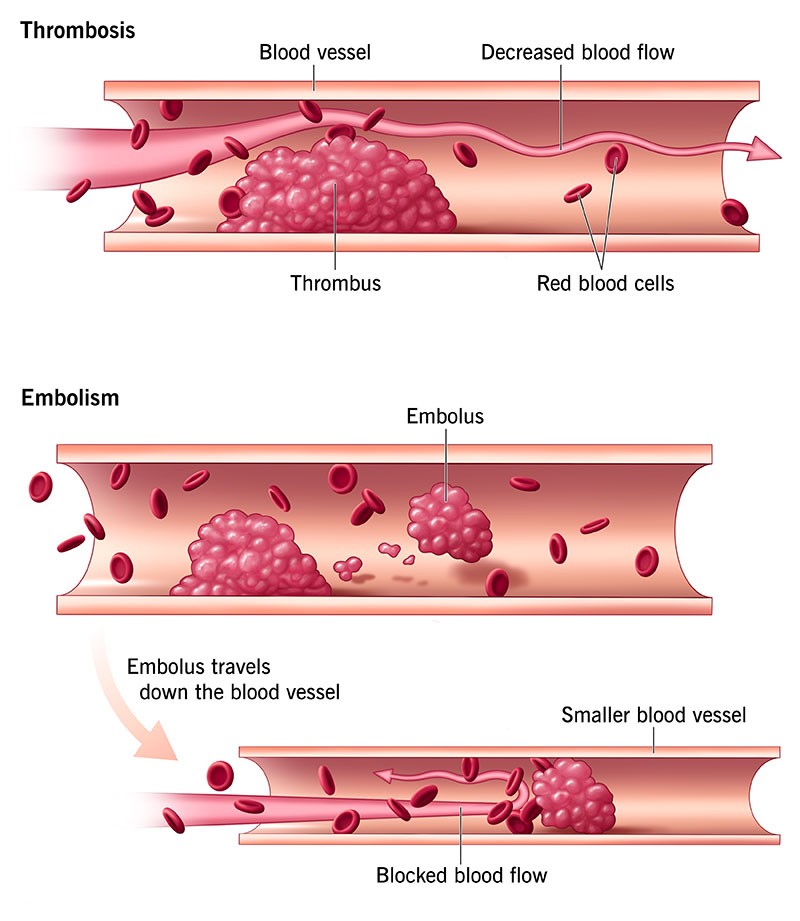
A clotted dialysis access occurs when a blood clot forms within a dialysis fistula or graft, blocking the flow of blood needed for effective hemodialysis. This is one of the most common complications affecting dialysis access and can prevent successful treatment if not addressed promptly. Early intervention is often critical to restore function and avoid the need for a new access site.
Signs and Symptoms of a Clot
Patients may notice that the usual vibration or “thrill” over the fistula or graft is weaker or completely absent. Other signs can include swelling, discomfort, difficulty during dialysis sessions, or an inability to use the access for treatment. In many cases, a clotted access develops suddenly and requires urgent medical evaluation.
Diagnosis and Access Assessment
A thorough assessment is needed to confirm the presence of a clot and identify the underlying cause. Evaluation may include a physical examination, vascular ultrasound, fistulogram, and other imaging studies to assess blood flow and locate areas of narrowing or blockage. Understanding why the clot formed is important for preventing future problems.
Treatment to Restore Blood Flow
Treatment is focused on removing the clot and restoring normal access function as quickly as possible. Depending on the situation, minimally invasive procedures such as thrombectomy, clot-dissolving therapies, angioplasty, or stent placement may be recommended. Prompt treatment can often save the existing access and allow dialysis to continue without major interruption.
Protecting Your Dialysis Lifeline
Regular monitoring of your fistula or graft is essential for detecting problems before they lead to clotting. Reporting changes in blood flow, swelling, or access performance early can help prevent serious complications. With timely intervention and expert dialysis access care, many patients can successfully restore and maintain a reliable access for ongoing treatment.