
Osteoarthritis of the Knee
Understanding Knee Osteoarthritis
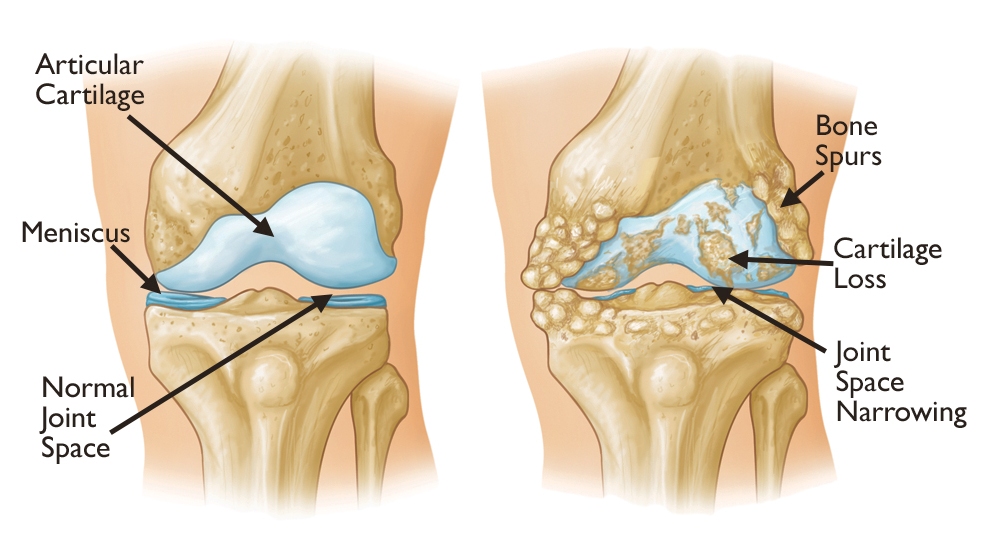
Osteoarthritis is the most common form of arthritis and occurs when the protective cartilage within the knee joint gradually wears down over time. As the cartilage becomes thinner, the bones may rub against each other, leading to pain, stiffness, and inflammation. This condition often develops gradually and can affect people of all ages, although it is more common with advancing age.
Common Symptoms and Warning Signs
Patients with knee osteoarthritis often experience pain during walking, climbing stairs, standing, or other daily activities. Stiffness is typically more noticeable in the morning or after periods of inactivity. Additional symptoms may include swelling, reduced flexibility, grinding sensations within the joint, and difficulty performing routine movements comfortably.
Diagnosis and Evaluation
Accurate diagnosis is important for determining the severity of osteoarthritis and selecting the most appropriate treatment plan. Evaluation usually includes a physical examination, review of symptoms, and imaging studies such as X-rays or MRI scans. These tests help assess cartilage loss, joint changes, and the overall condition of the knee.
Treatment Options for Osteoarthritis
Treatment focuses on reducing pain, improving joint function, and maintaining mobility. Depending on the severity of symptoms, options may include physical therapy, exercise programs, weight management, medications, image-guided injections, regenerative therapies, or minimally invasive procedures. Personalized treatment plans are designed to help patients remain active while protecting joint health.
Living Well with Osteoarthritis
Early treatment and ongoing joint care can help slow symptom progression and improve quality of life. Regular physical activity, healthy lifestyle habits, and routine follow-up care play an important role in managing osteoarthritis effectively. With the right treatment approach, many patients can enjoy improved mobility, reduced pain, and greater confidence in their daily activities.