
Venous Ulcers
Understanding Venous Ulcers
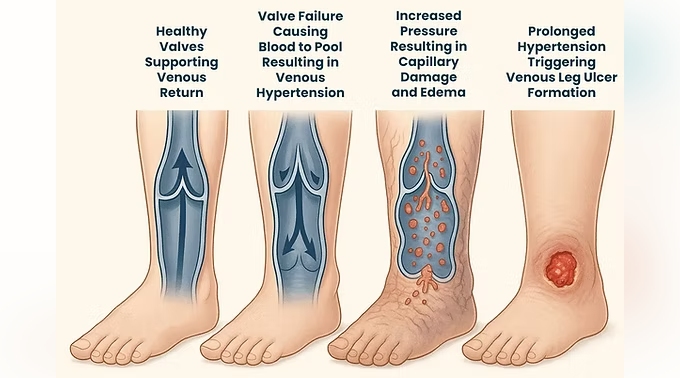
Venous ulcers are open sores that typically develop on the lower legs or around the ankles due to poor blood flow in the veins. They are often caused by chronic venous insufficiency, where damaged vein valves allow blood to pool in the legs, increasing pressure within the veins. Without proper treatment, these wounds can become chronic and difficult to heal.
Signs and Symptoms
Venous ulcers may begin as areas of skin discoloration, irritation, or swelling before progressing into open wounds. Patients often experience leg heaviness, aching, swelling, itching, or skin changes around the affected area. The ulcer may produce drainage and can be painful, especially if infection develops or the wound enlarges.
Diagnosis and Evaluation
A thorough vascular evaluation is important to identify the cause of the ulcer and guide treatment. Diagnosis typically includes a physical examination, wound assessment, and venous ultrasound to evaluate blood flow and vein function. Understanding the underlying vein disease is essential for achieving successful wound healing.
Treatment Options for Healing
Treatment focuses on improving circulation, reducing venous pressure, and promoting wound healing. Depending on the severity of the condition, care may include specialized wound management, compression therapy, medications, and minimally invasive vein procedures to address damaged veins. Personalized treatment plans help improve healing rates and reduce the risk of recurrence.
Long-Term Care and Prevention
Ongoing vein care and regular follow-up are essential for preventing future ulcers and maintaining healthy circulation. Managing swelling, wearing compression garments when recommended, and treating underlying venous disease can significantly improve outcomes. With expert vascular and wound care, many patients can achieve healing, greater comfort, and a better quality of life.