
Leg Swelling
Understanding Leg Swelling
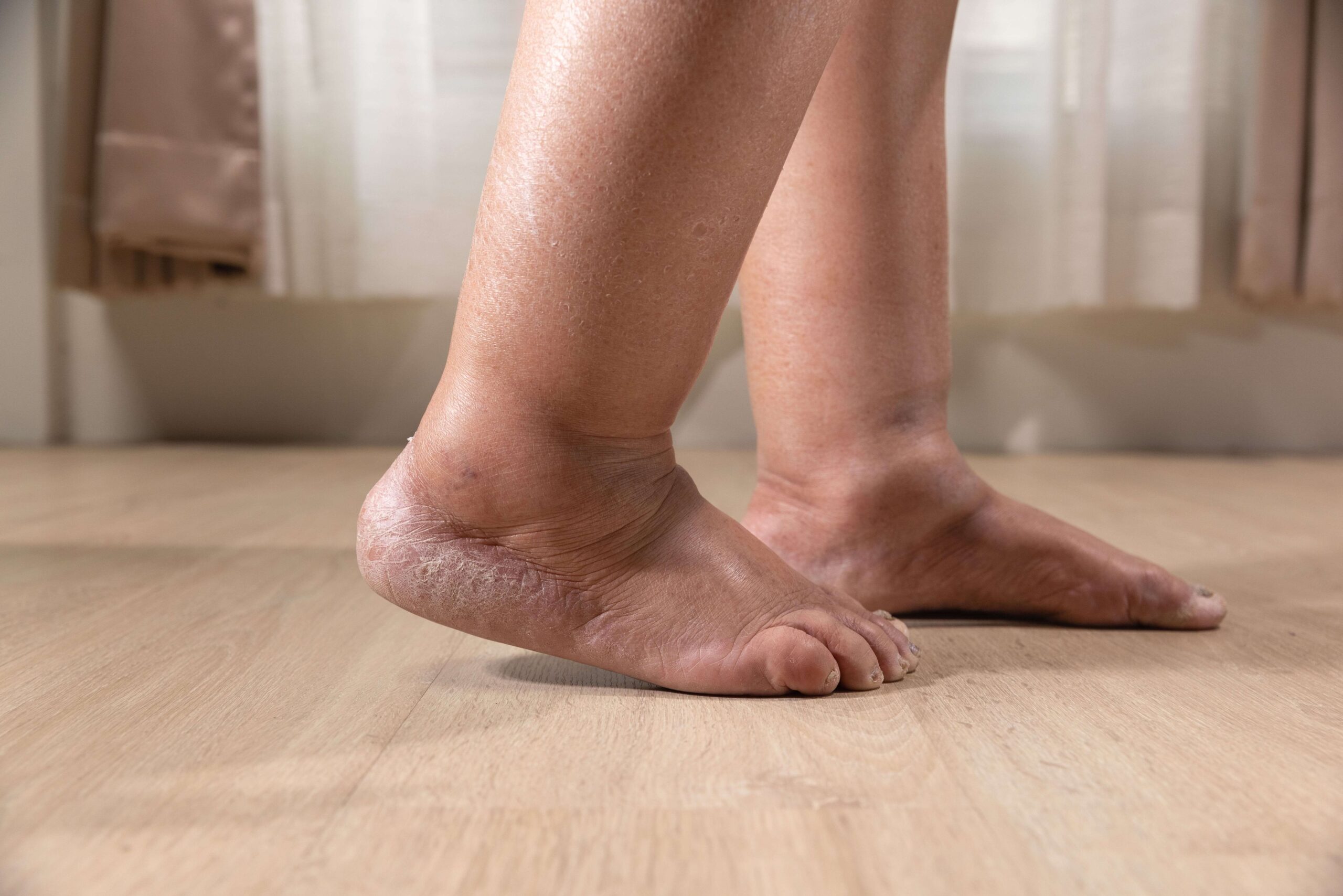
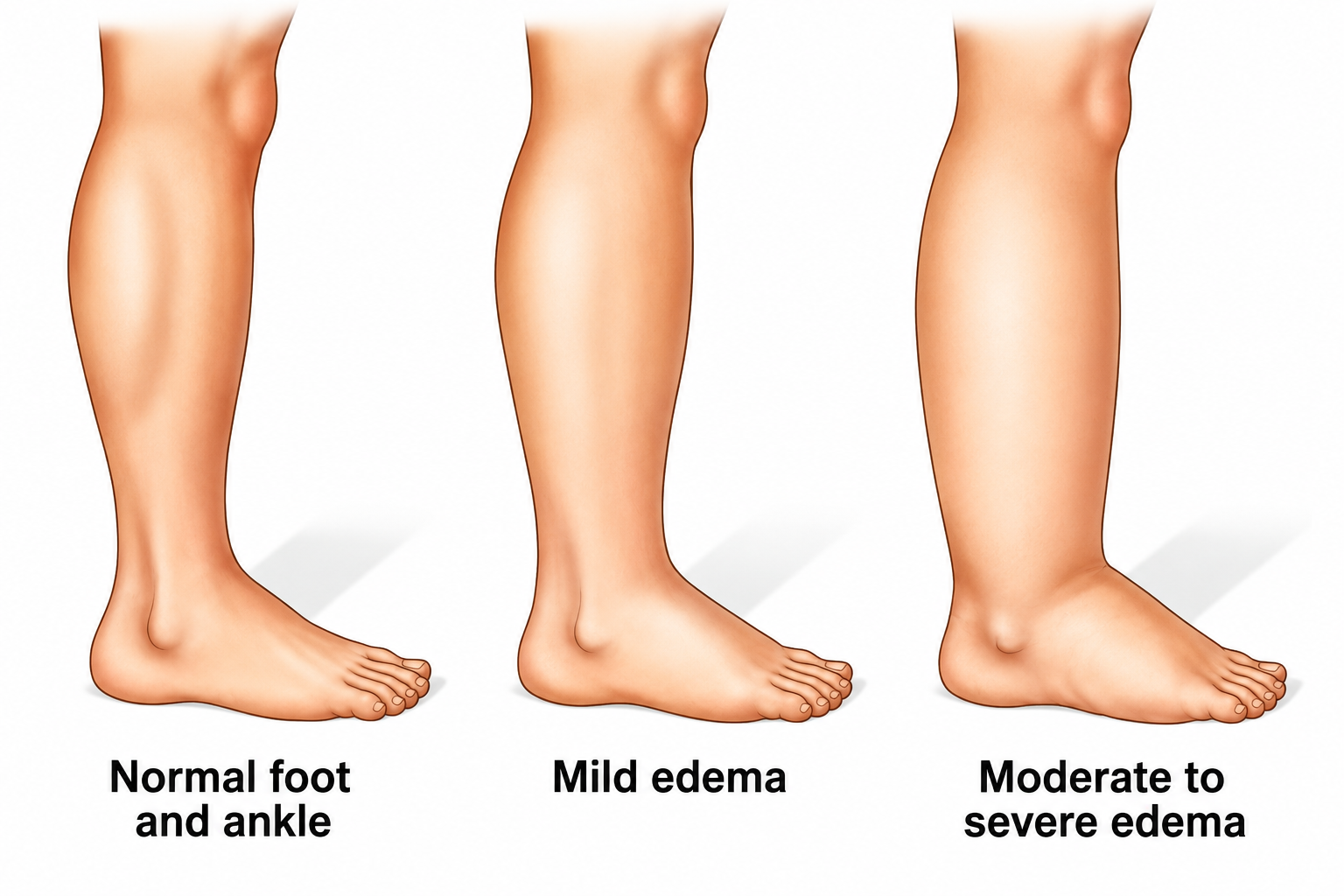
Leg swelling occurs when excess fluid accumulates in the tissues of the legs, ankles, or feet. While occasional swelling may result from prolonged standing or sitting, persistent or worsening swelling can be a sign of an underlying venous or circulatory condition. Proper evaluation is important to determine the cause and prevent potential complications.
Common Symptoms and Associated Signs
Patients may notice puffiness, tightness, heaviness, or discomfort in one or both legs. Swelling may be accompanied by aching, visible veins, skin discoloration, or a feeling of pressure in the lower legs. In some cases, shoes or clothing may feel tighter than usual due to fluid buildup.
Identifying the Underlying Cause
Leg swelling can be associated with chronic venous insufficiency, varicose veins, blood clots, lymphatic disorders, or other medical conditions affecting circulation. A detailed evaluation may include a physical examination, venous ultrasound, and additional diagnostic testing when needed. Identifying the underlying cause is essential for creating an effective treatment plan.
Treatment Options for Leg Swelling
Treatment depends on the source and severity of the swelling. Management may include compression therapy, lifestyle modifications, exercise, leg elevation, medications, or minimally invasive vein procedures to improve circulation. Addressing the underlying condition can help reduce swelling, relieve discomfort, and improve daily function.
Supporting Long-Term Leg Health
Regular follow-up and ongoing care play an important role in preventing recurring swelling and protecting vascular health. Maintaining an active lifestyle, managing underlying medical conditions, and following recommended treatments can help improve circulation and overall well-being. With timely evaluation and personalized care, many patients experience significant improvement in symptoms and quality of life.