
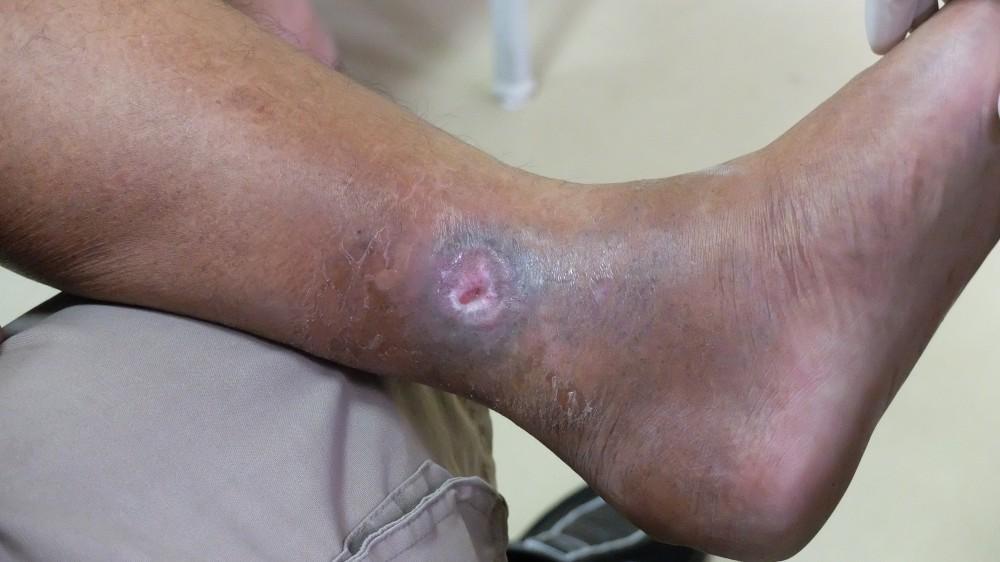
Non-Healing Wounds or Ulcers
Understanding Non-Healing Wounds and Ulcers
Non-healing wounds or ulcers are sores that do not show significant improvement over several weeks despite routine care. These wounds commonly occur on the feet, toes, ankles, or lower legs and are often linked to poor circulation, diabetes, or underlying vascular disease. Without proper treatment, they can become infected and lead to serious complications.
Signs That Require Medical Attention
Warning signs include persistent open sores, redness, swelling, drainage, foul odor, increasing pain, or wounds that continue to grow instead of heal. Some patients may also notice blackened tissue, skin discoloration, or numbness around the affected area. Prompt evaluation is essential to identify the cause and prevent further tissue damage.
Identifying the Underlying Cause
Successful treatment begins with understanding why the wound is not healing properly. Diagnostic evaluation may include a physical examination, vascular ultrasound, circulation testing, wound assessment, and imaging studies when necessary. These tests help determine whether poor blood flow, infection, diabetes, or another condition is contributing to delayed healing.
Treatment Options for Wound Healing
Treatment focuses on improving circulation, controlling infection, and creating the best environment for healing. Depending on the cause, care may include specialized wound management, medications, diabetes control, minimally invasive vascular procedures, or other treatments to restore blood flow to the affected area. Personalized care plans help maximize healing and reduce the risk of complications.
Protecting Your Health and Preventing Complications
Regular follow-up and ongoing wound care are critical for achieving successful healing. Managing underlying conditions and monitoring circulation can help prevent future wounds and protect limb health. With timely intervention and expert vascular care, many patients can achieve wound healing, preserve mobility, and improve their overall quality of life.