
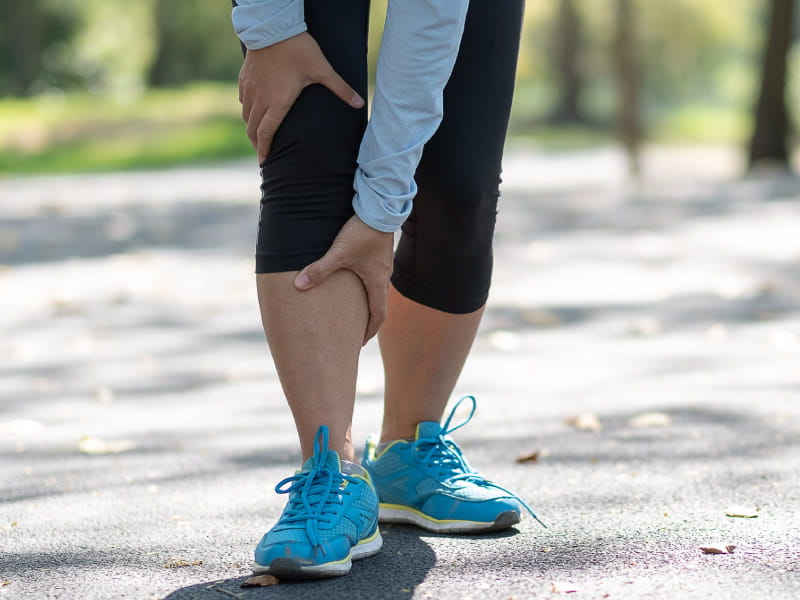
Leg Pain While Walking
Understanding Leg Pain While Walking
Leg pain that occurs during walking and improves with rest may be a sign of reduced blood flow to the muscles, a condition often associated with peripheral artery disease (PAD). When the leg muscles do not receive enough oxygen-rich blood during activity, discomfort or cramping can develop. Early evaluation is important to identify the cause and prevent symptoms from worsening over time.
Common Symptoms to Watch For
Patients may experience aching, cramping, tightness, or fatigue in the calves, thighs, or buttocks while walking or climbing stairs. The pain often improves after a short period of rest and returns with activity. Some individuals may also notice weakness, cold feet, numbness, or changes in skin color, which can indicate an underlying circulation problem.
Diagnosis and Vascular Evaluation
Determining the cause of leg pain requires a thorough medical assessment and circulation testing. Diagnostic tools may include a physical examination, ankle-brachial index (ABI), vascular ultrasound, and advanced imaging studies when needed. These evaluations help identify narrowed or blocked arteries and guide the most effective treatment approach.
Treatment Options for Improved Mobility
Treatment focuses on restoring blood flow, reducing symptoms, and helping patients stay active. Depending on the severity of the condition, recommendations may include lifestyle changes, supervised exercise programs, medications, or minimally invasive vascular procedures to improve circulation. Personalized treatment plans are designed to support long-term leg health and mobility.
Getting Back to an Active Lifestyle
Timely treatment can help relieve discomfort, improve walking distance, and reduce the risk of serious vascular complications. Ongoing follow-up and management of risk factors such as smoking, diabetes, high cholesterol, and high blood pressure are essential for lasting results. With expert vascular care, many patients can return to the activities they enjoy with greater comfort and confidence.