
Poor Circulation
Understanding Poor Circulation
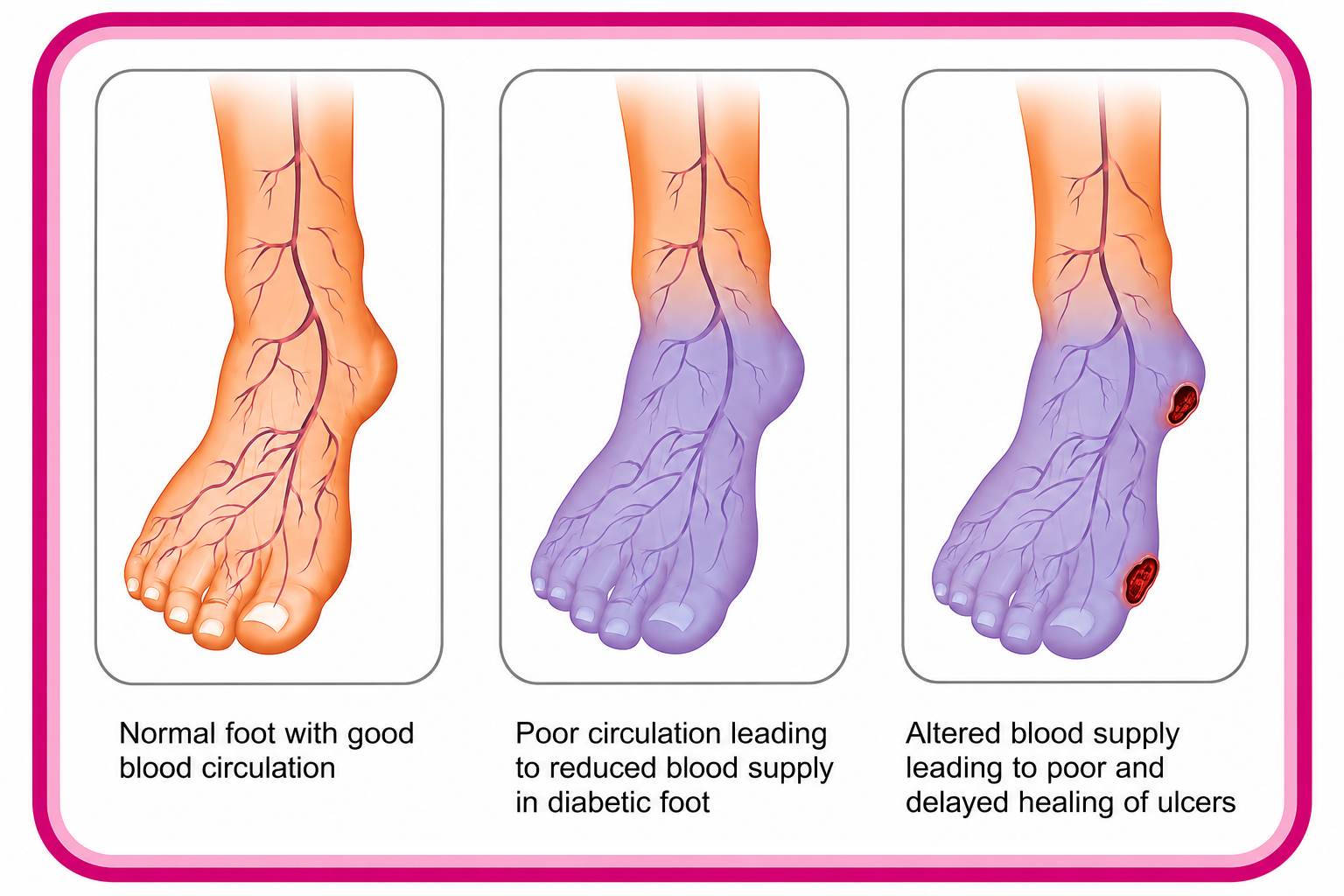
Poor circulation occurs when blood does not flow efficiently through the blood vessels to different parts of the body, particularly the legs and feet. Reduced circulation can limit the delivery of oxygen and nutrients needed for healthy tissues and proper function. While poor circulation can result from various underlying conditions, early evaluation can help identify the cause and prevent complications.
Common Symptoms of Poor Circulation
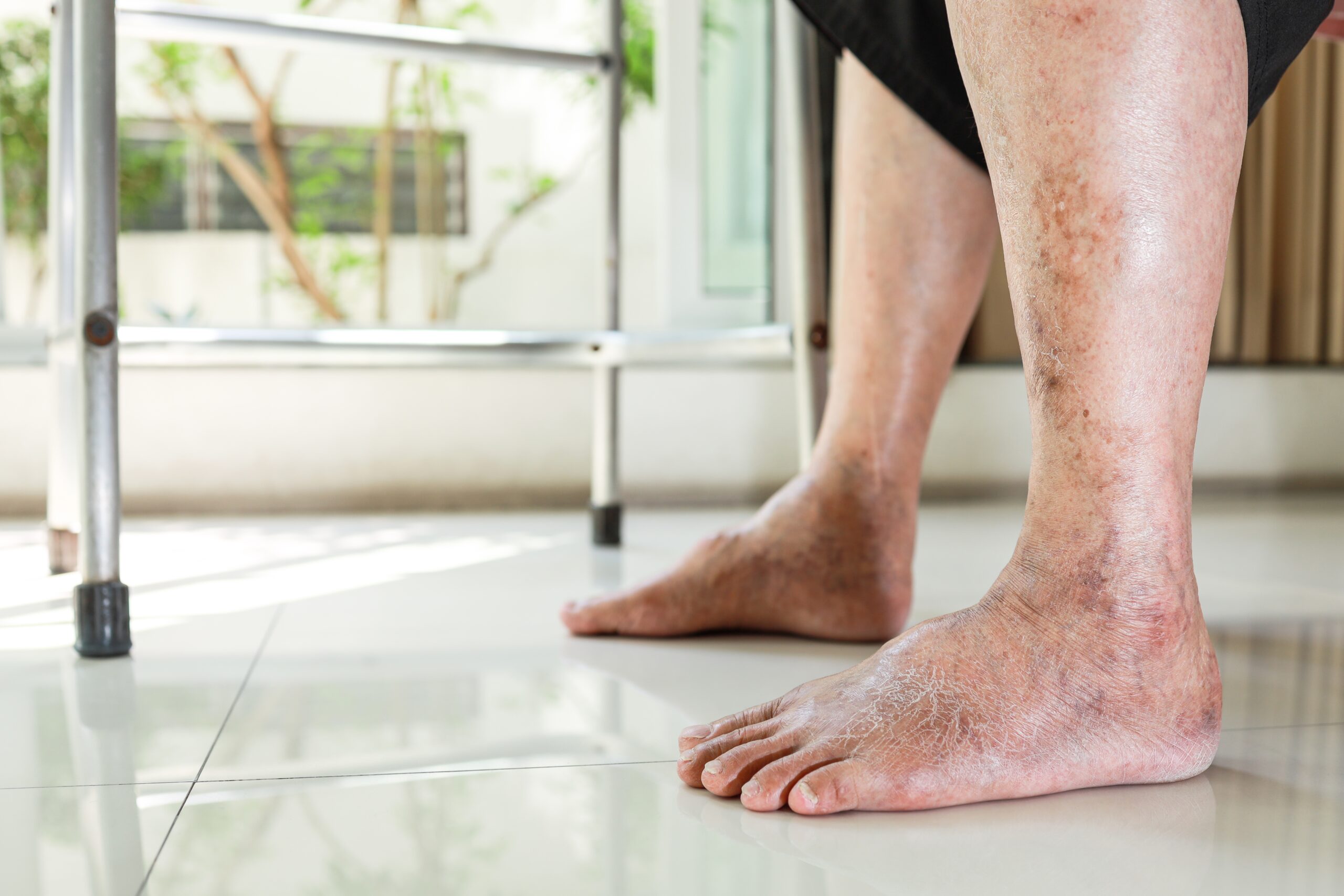
Patients with poor circulation may experience cold feet, leg pain, numbness, tingling, muscle cramps, or a feeling of heaviness in the legs. Some people may notice changes in skin color, slow-healing wounds, or reduced sensation in their feet. Symptoms can range from mild discomfort to significant limitations in daily activities, depending on the severity of the condition.
Finding the Underlying Cause
Poor circulation can be linked to conditions such as peripheral artery disease (PAD), diabetes, high blood pressure, high cholesterol, or other vascular disorders. A comprehensive evaluation may include a physical examination, vascular ultrasound, circulation studies, and advanced imaging tests when necessary. Identifying the underlying cause is essential for developing an effective treatment plan.
Treatment and Circulation Improvement
Treatment depends on the specific cause and severity of poor circulation. Lifestyle modifications, medications, exercise programs, and minimally invasive vascular procedures may be recommended to improve blood flow and reduce symptoms. Early intervention can help restore circulation, relieve discomfort, and lower the risk of future complications.
Supporting Long-Term Vascular Health
Maintaining healthy circulation requires ongoing attention to vascular health and risk factor management. Regular follow-up, healthy lifestyle choices, and proper treatment of underlying medical conditions can help prevent progression and improve overall well-being. With timely care and personalized treatment, many patients experience significant improvement in circulation and quality of life.